The Project
We developed a system that encourages interaction and communication between people and their houseplants. The project explores how interactive design can prompt closer attention and care, while highlighting the irony that we often require stimulation to notice what is already present around us.
Concept Development
How can we explore the language of flowers in a novel and insightful way?
Research
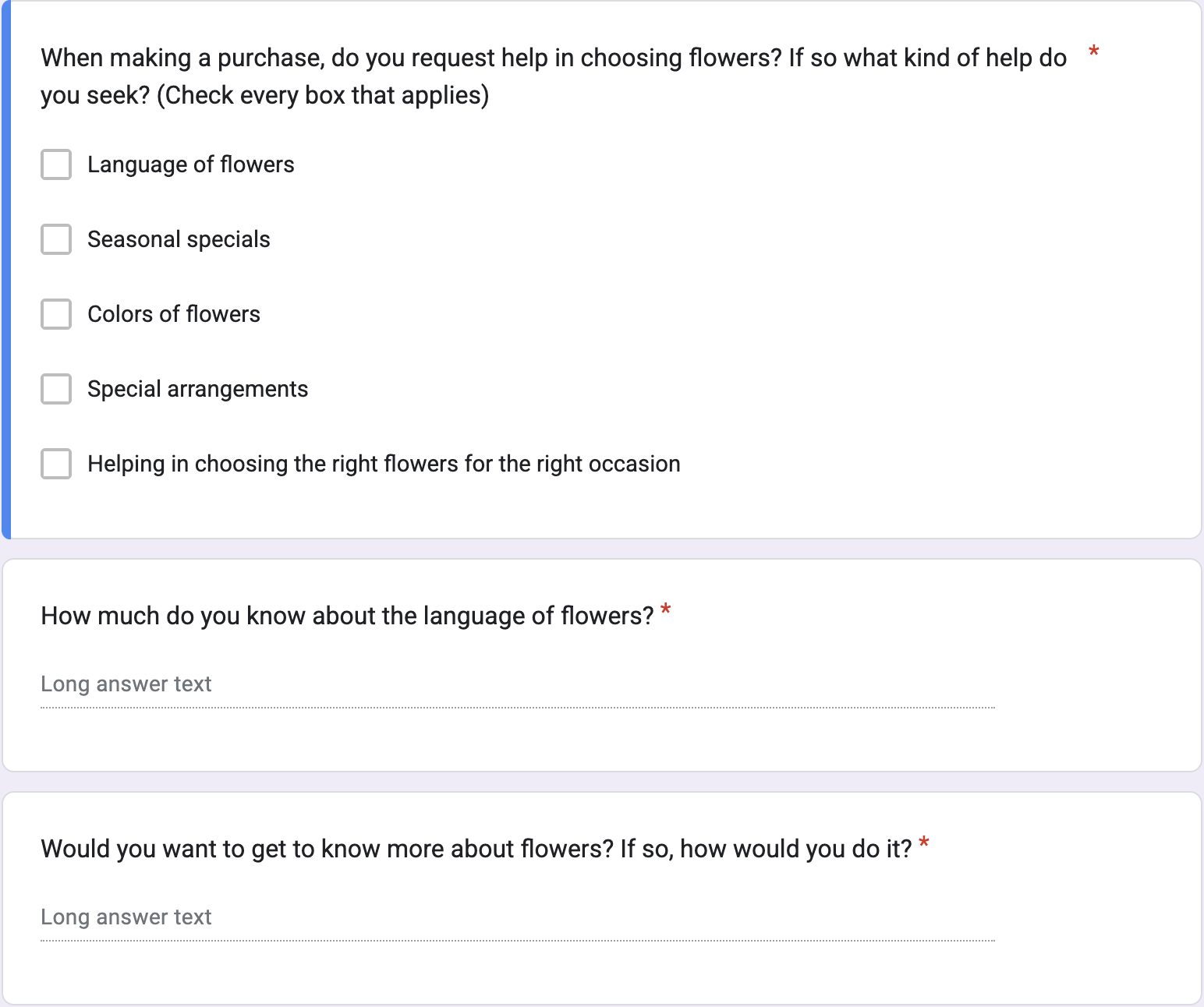
We went through a series of research methods to find out more about the topic of flowers, language learning motivations and flower buying experiences. Besides online research, we also used methods like online surveys and conducting interviews.
Online Survey
Interviews
Final Result
Original research question:
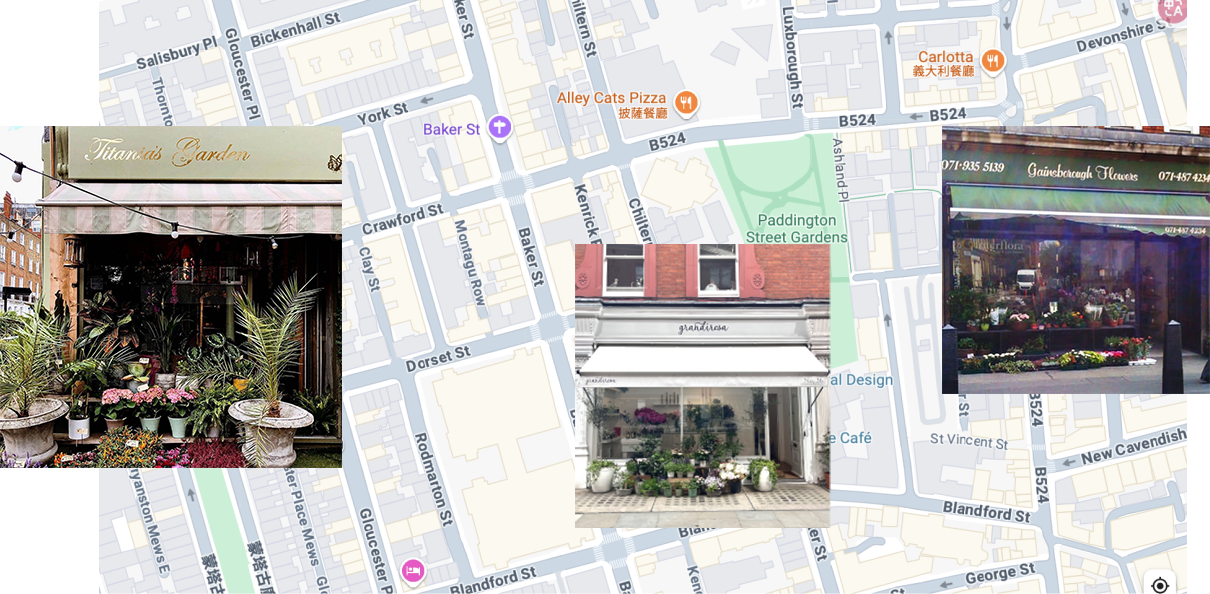
Beyond the online survey, we also looked for local flower shops in the Marylebone area. We drafted the following questions:
Do most of your customers request help choosing flowers, or do they usually know what they want? how often would ppl ask suggestions for choosing flowers?
How often do customers ask about the meaning or symbolism of flowers?
If you could have a tool or system to help you advise customers better, what would it be?
How do you decide which flowers to import and sell in your shop? Is it entirely up to the purchasing staff, or is it a team decision, like, discussing together which varieties to stock for the month?
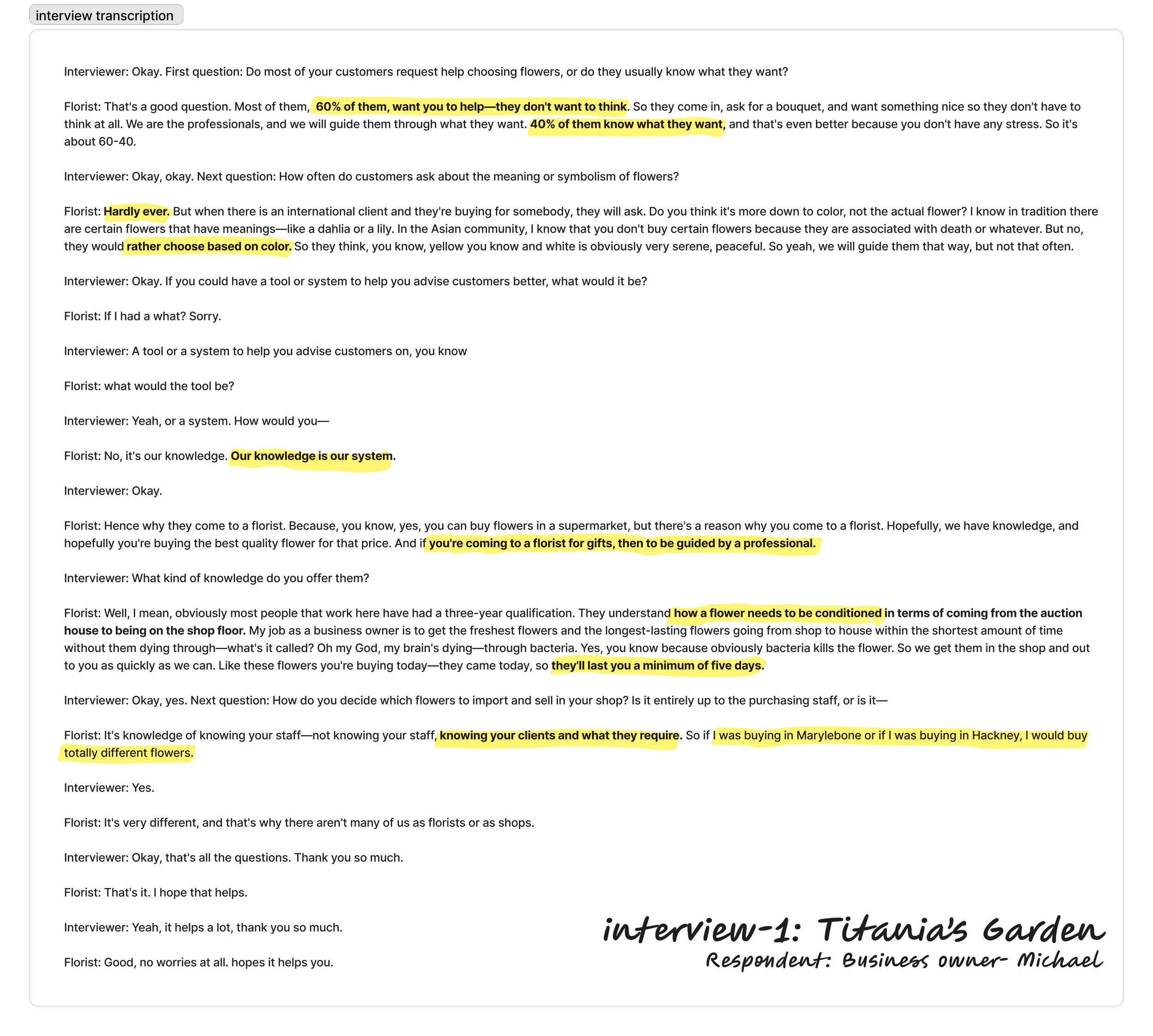
Titania’s Garden Interview
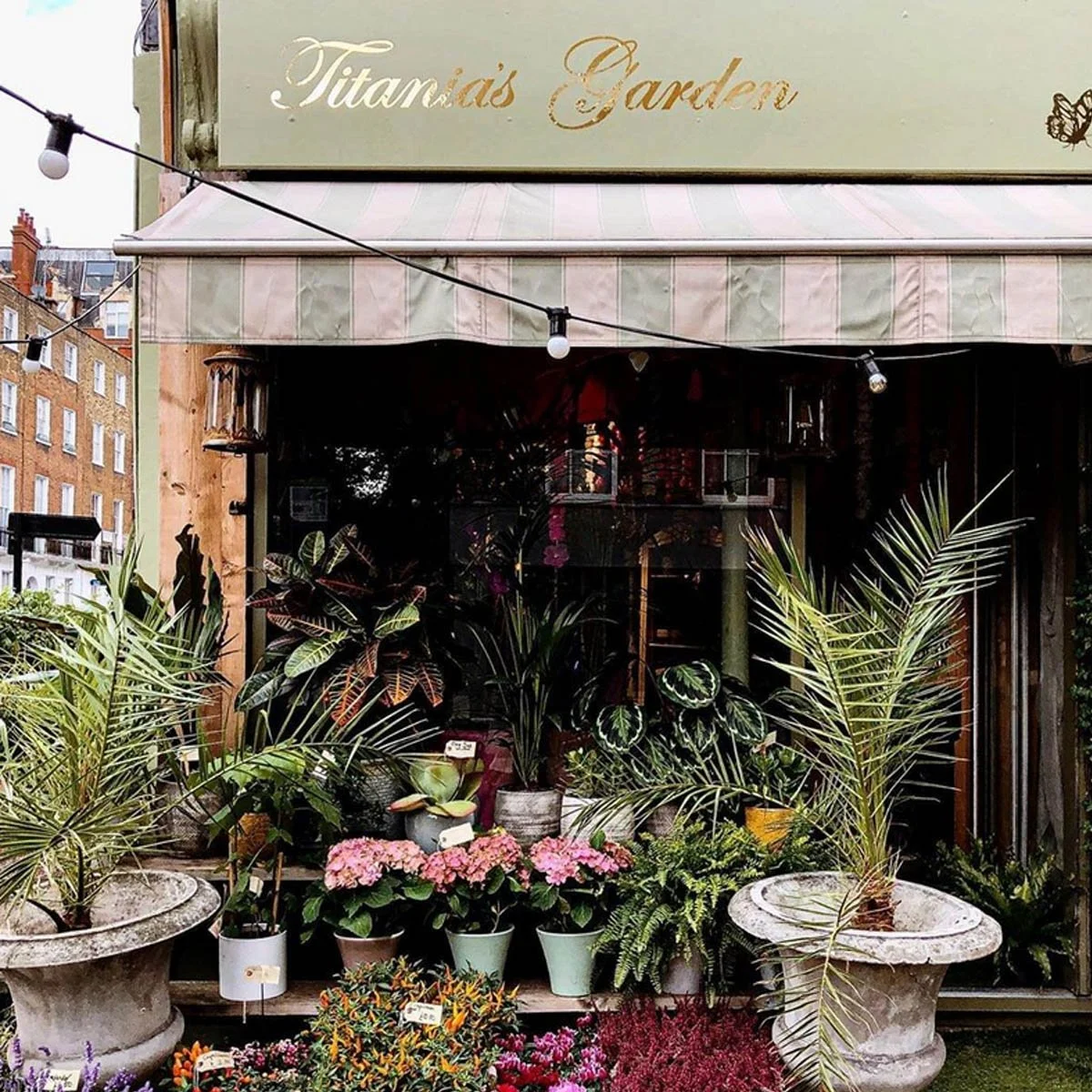
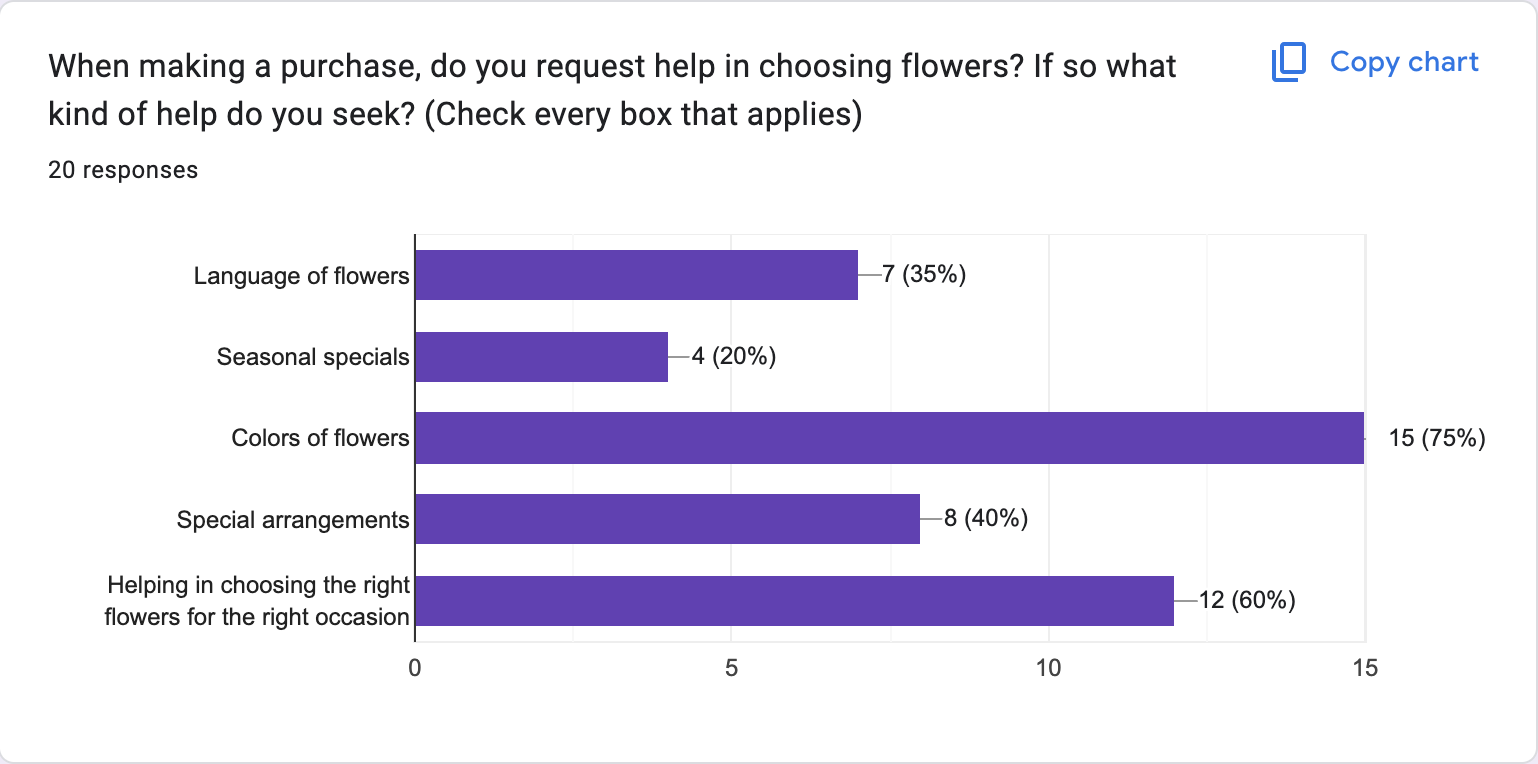
From the interview, we gathered that when visiting a flower shop, the majority of customers want the florists to do most of the thinking. They very rarely ask about the meaning or symbolism of flowers, most of their decisions are made based off of the color of the flowers. When we asked if they would like a tool or system to help them, the florists answered that their knowledge is their system, the people go to them for their professional knowledge on how to care for the flowers and aesthetic advice.
We had originally planned to conduct three interviews, but only one came through, so our insights are based solely on that interview.
Research on Language System

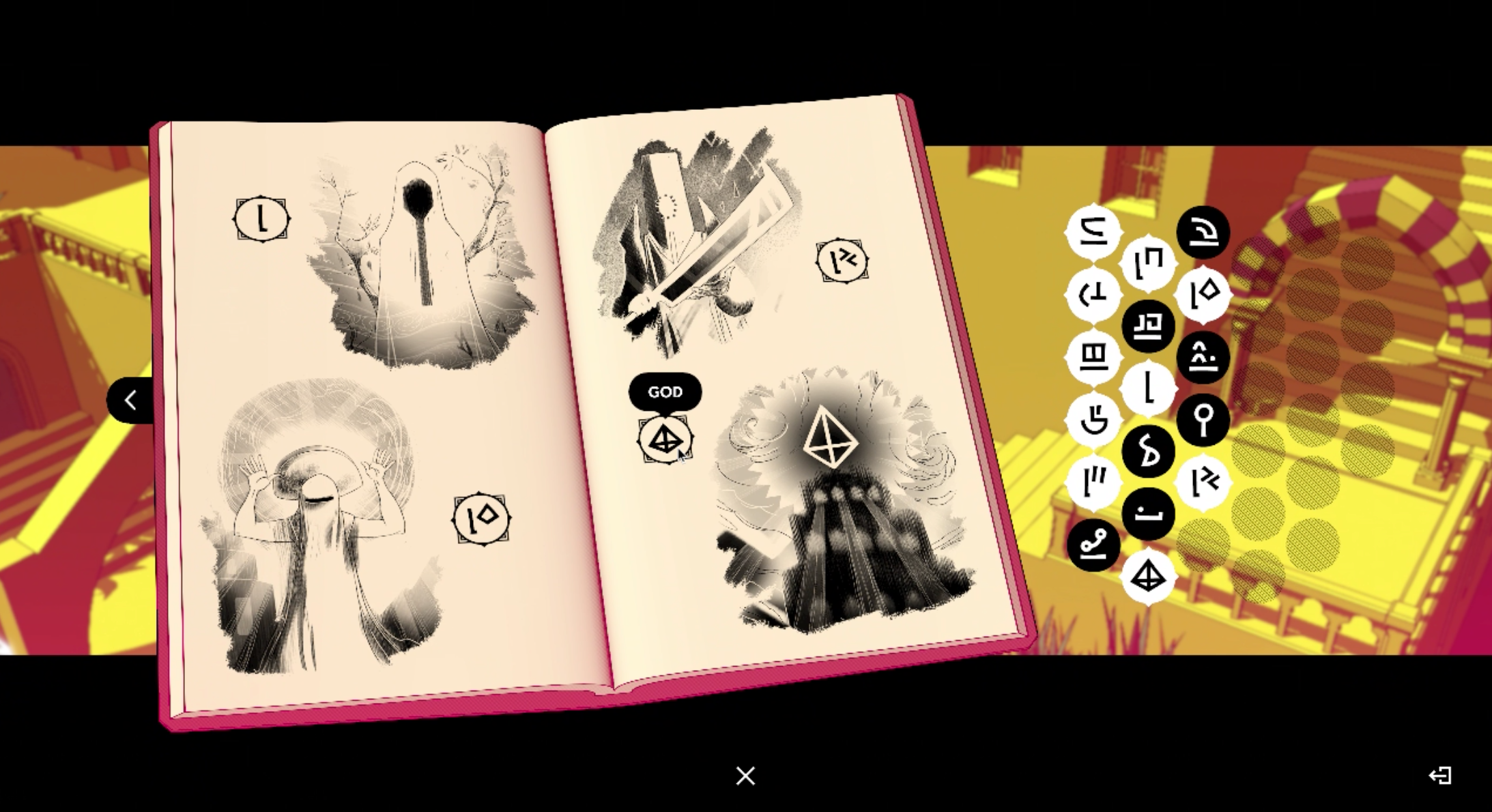
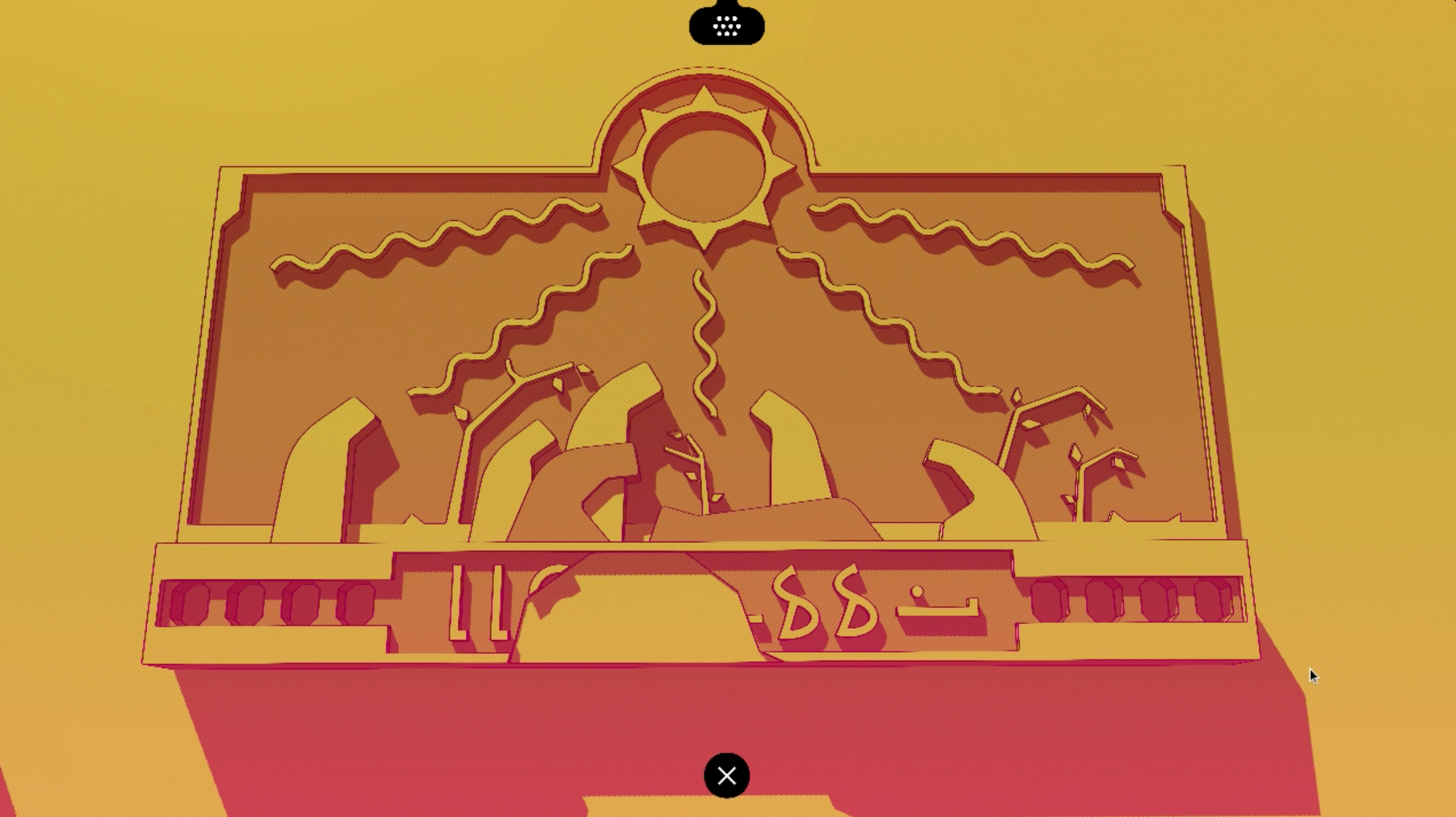
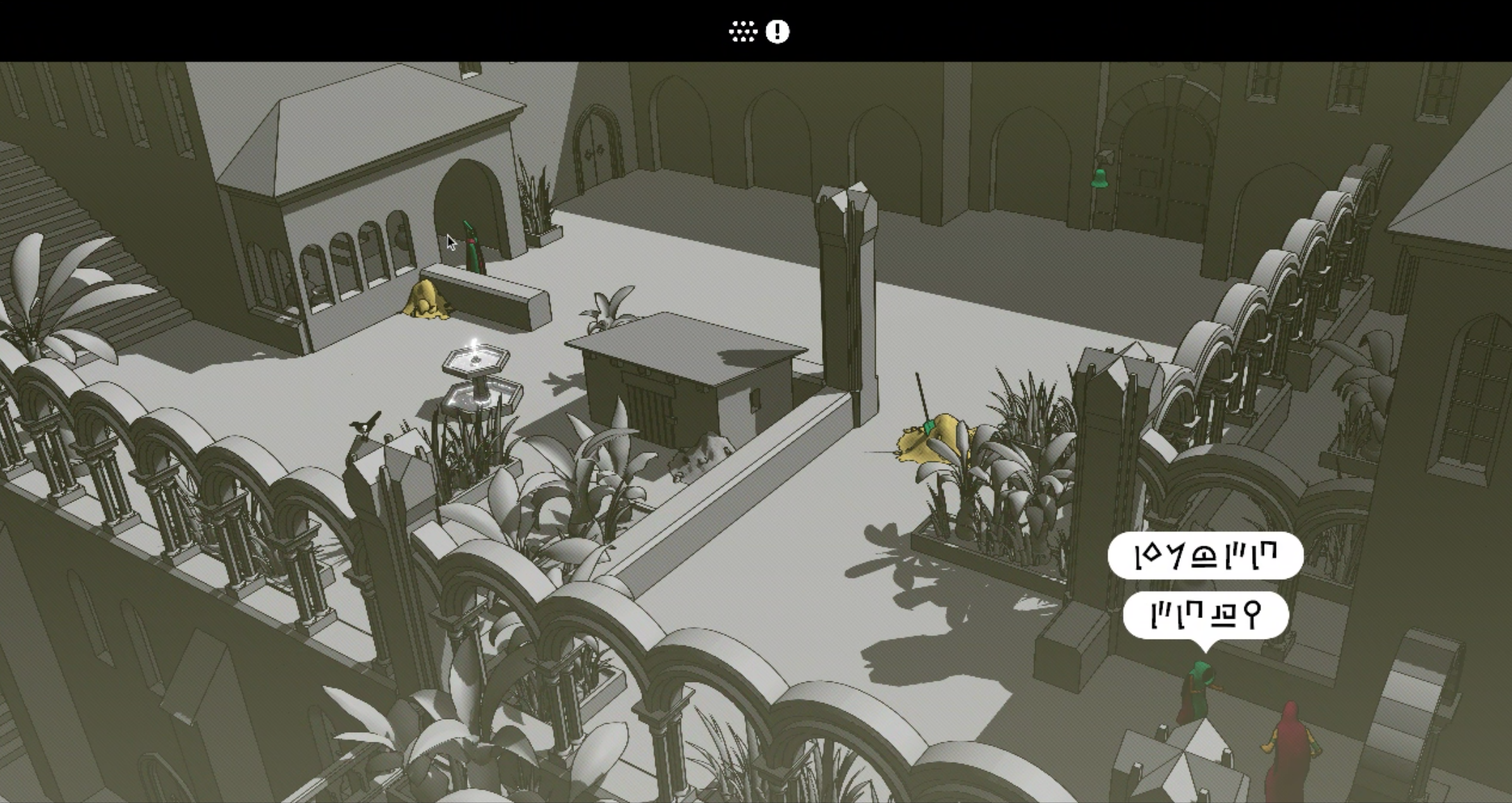
Screenshots taken during our play through of “Chants of Sennaar”
Research on Flowers
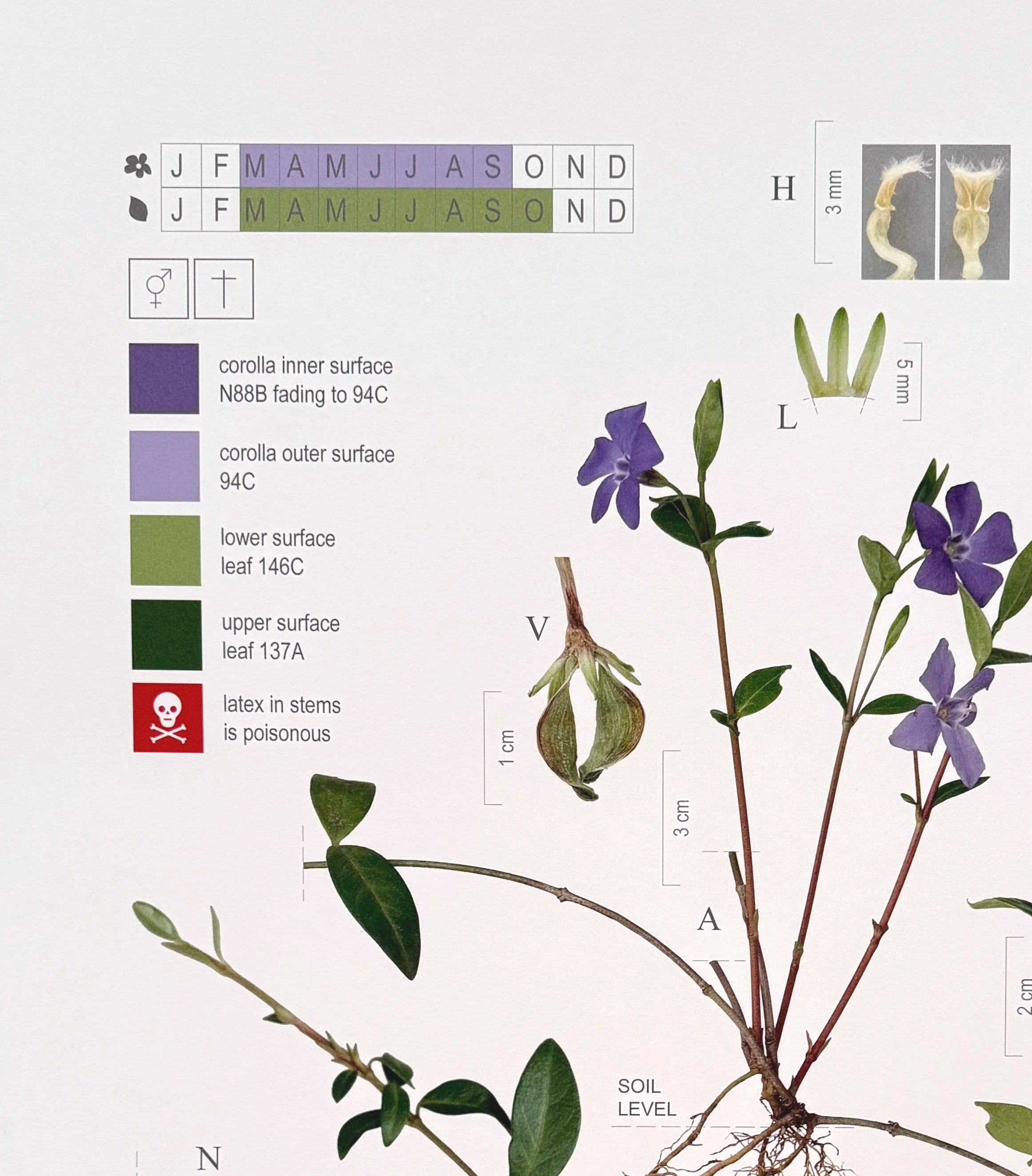
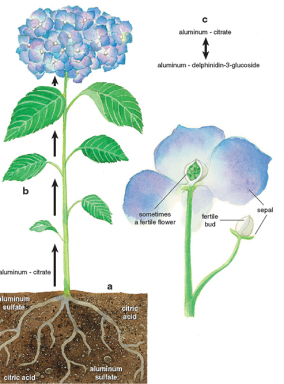
While looking into the existing meaning of flowers, I also studied the structure of those flowers, focusing on the petals to see if its shape and structure had any correlation to its definitions in the dictionary.
I found that just from the petals, it cannot define the meaning of the flowers. Sometimes the meanings are derived from an observation of the entire floral structure.
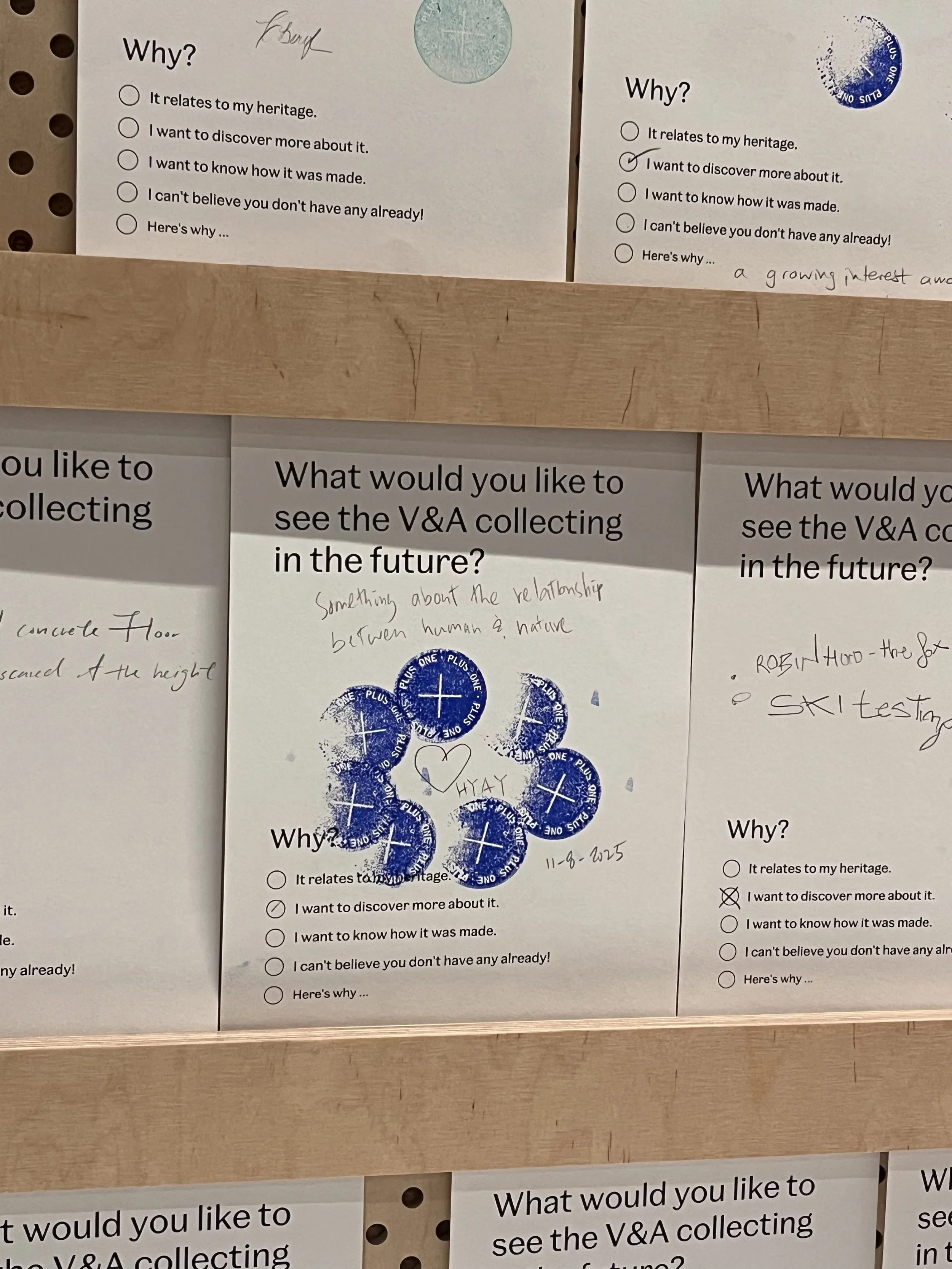
V&A Questionnaire
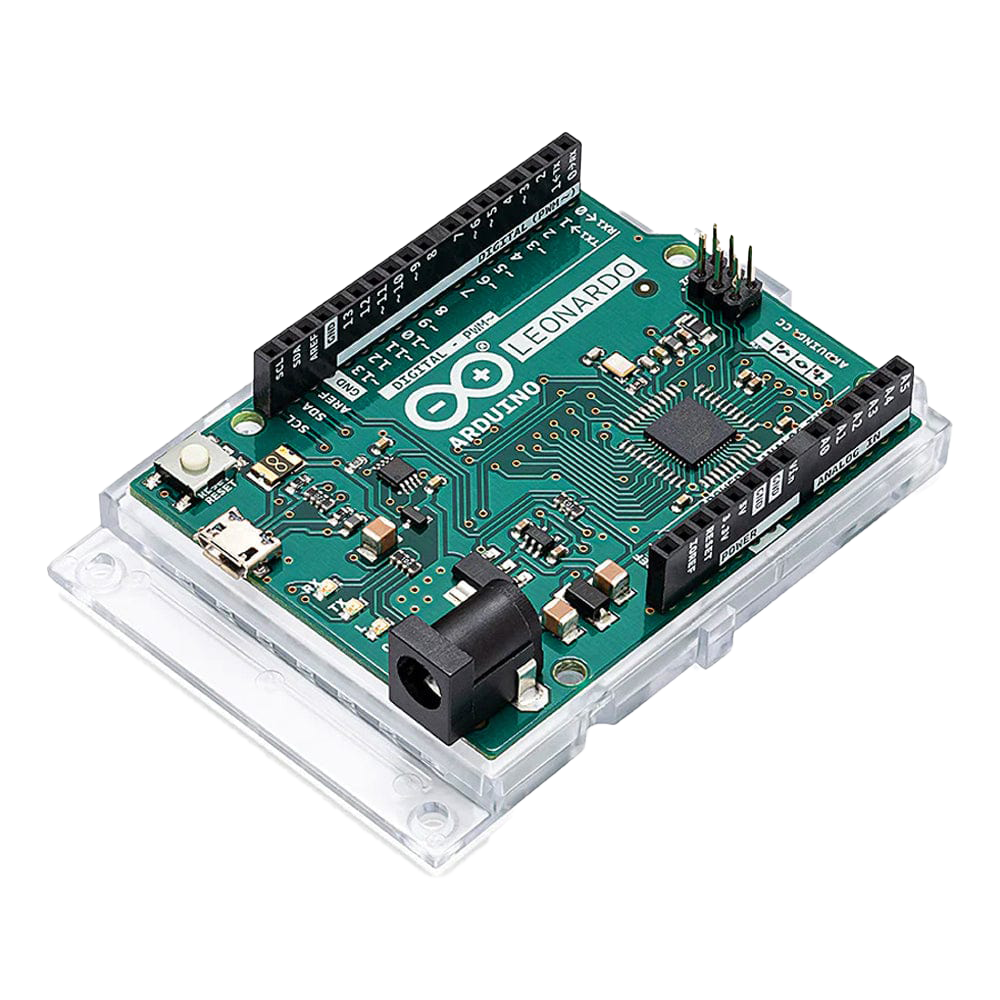
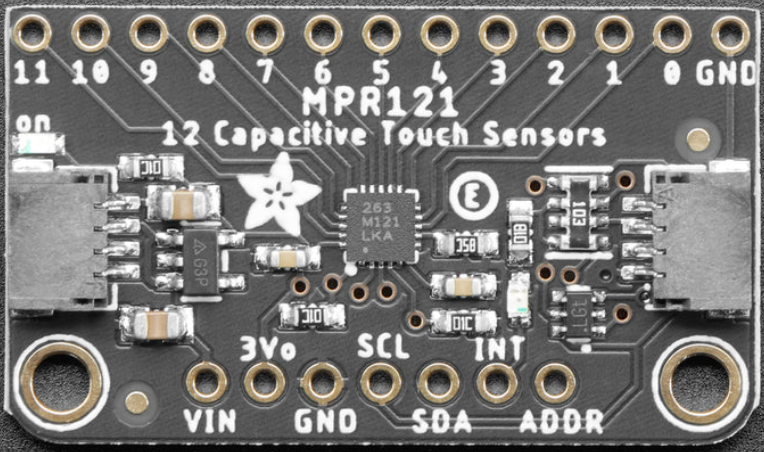
Borrowed Arduino components & Touch Sensor
Grandirosa Floral Design - most of them are already blooming, lasting only 3 days. They refused the interview
Gainsborough Flowers- flowers not that fresh
Titania’s Garden- the staff are nice, and the flowers last you 5 days.
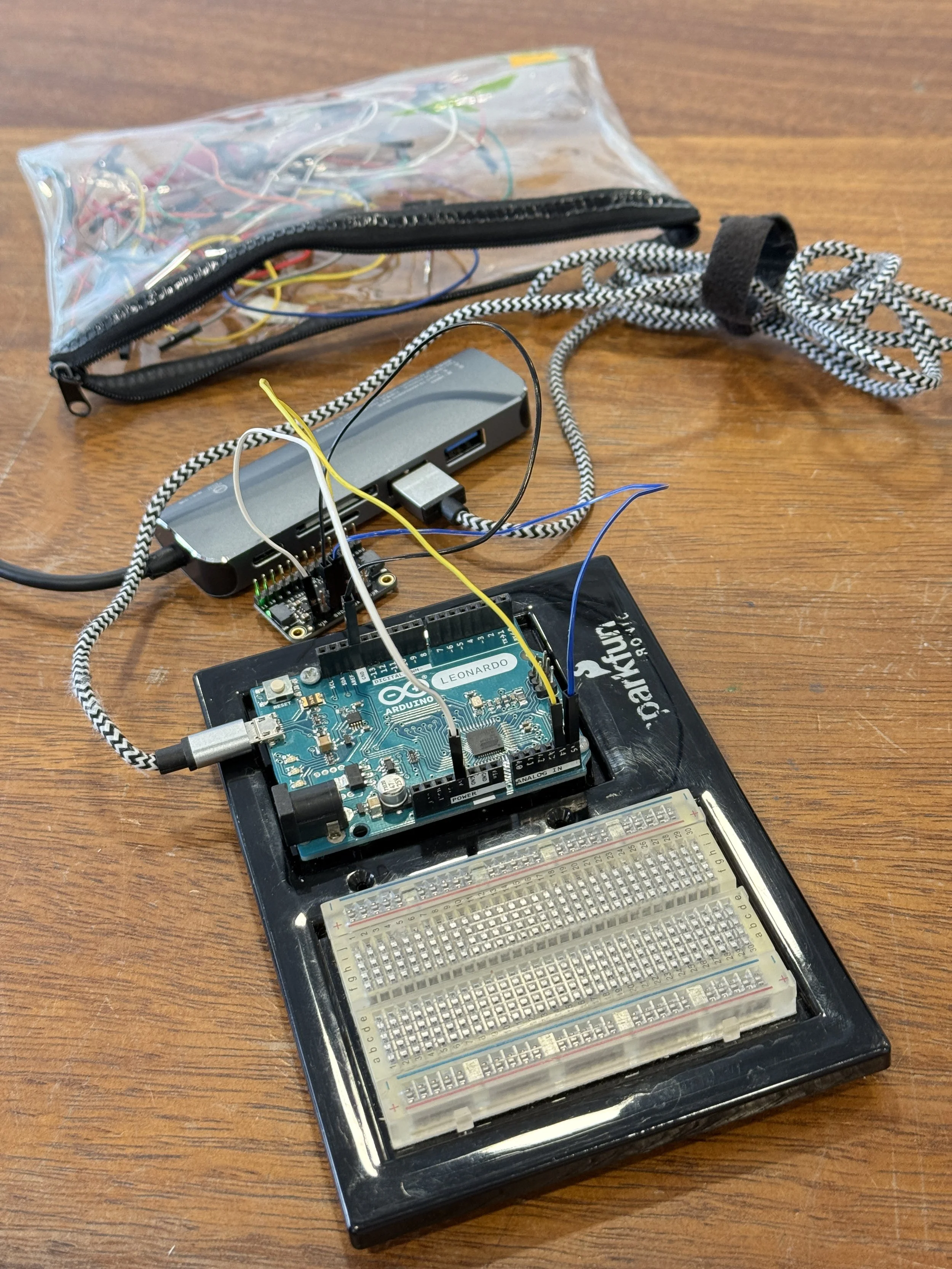
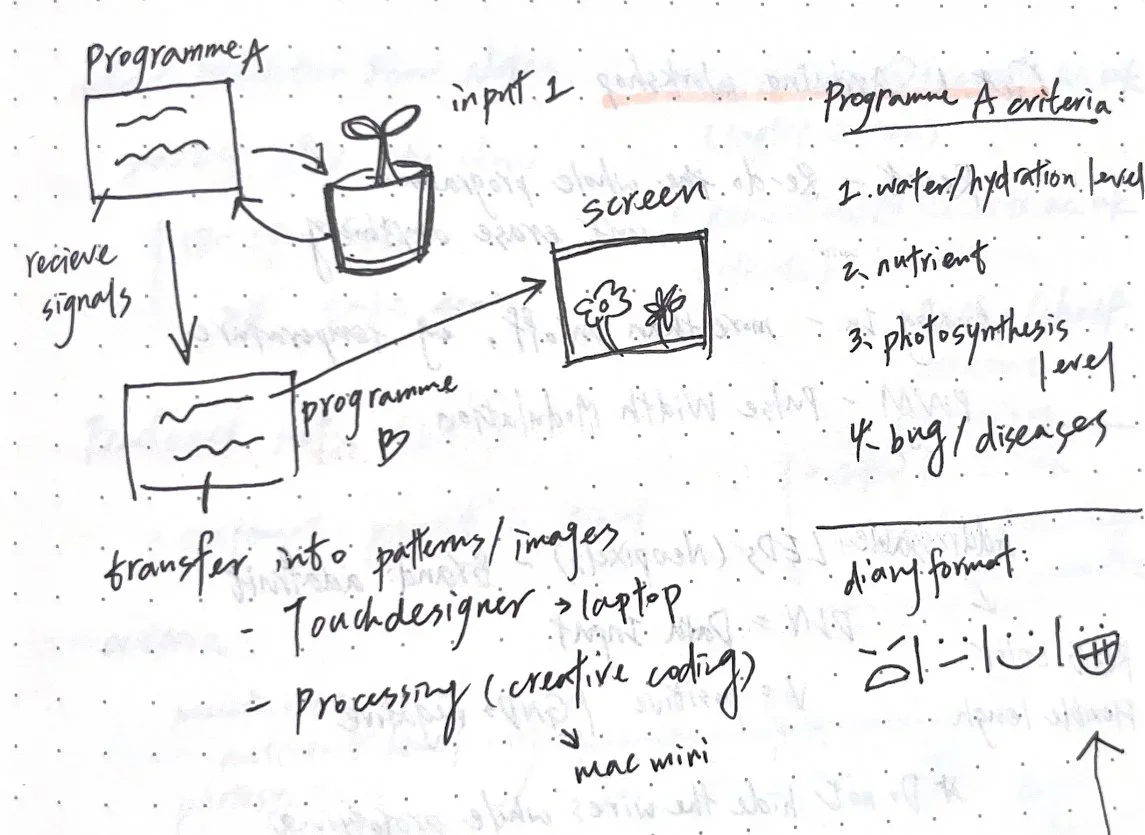
Our original plan using the Arduino was to capture and communicate a plant’s needs, like hydration, nutrients, disease, and interaction. However, we didn’t have an amplifier strong enough to reliably detect these signals. Even if we did, the data would likely change very slowly (for example, hydration levels can stay high for days), making it hard to create dynamic or engaging visualizations.
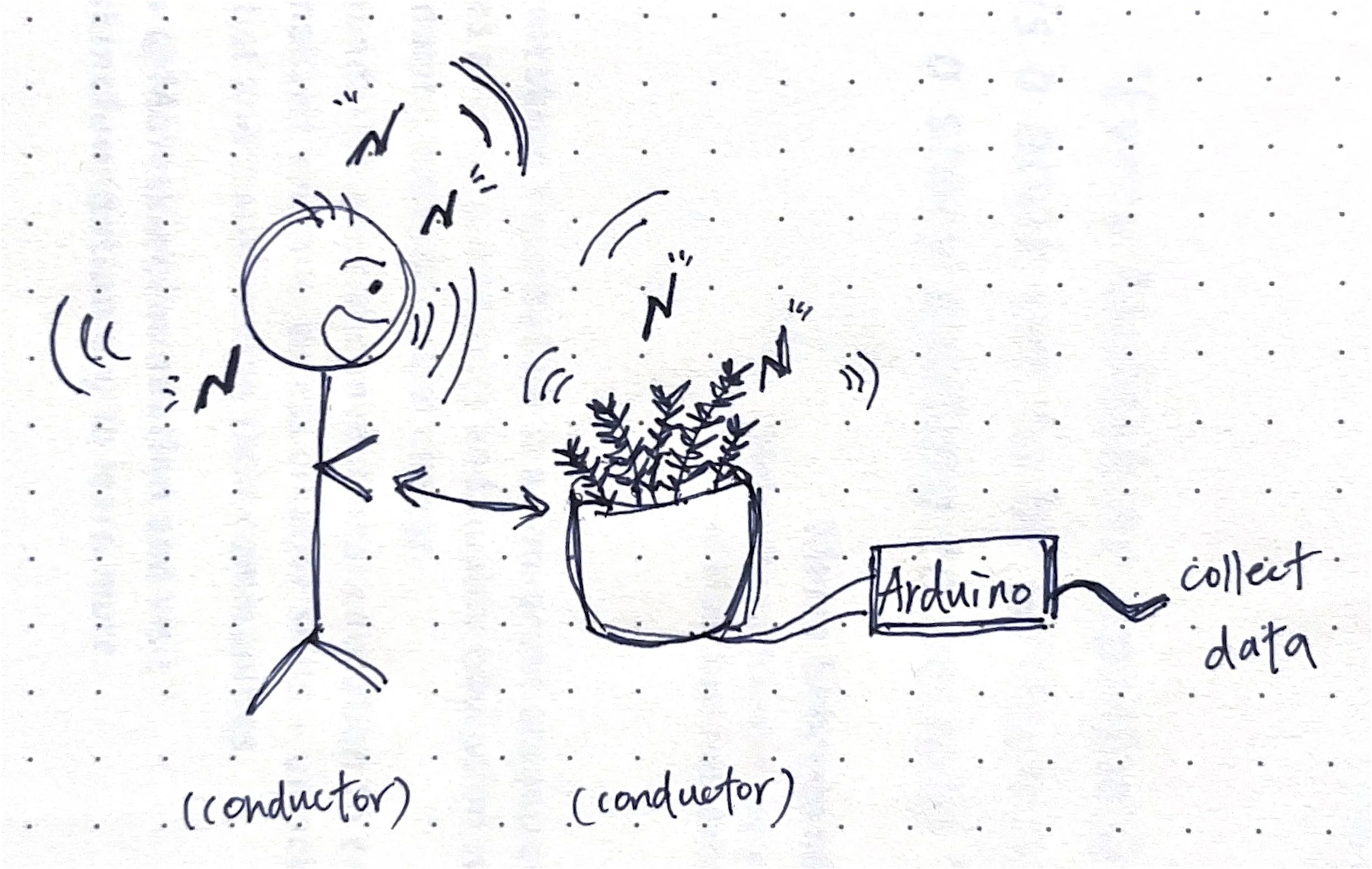
As a result, we shifted our approach to focus on human–plant interaction instead. By attaching a touch sensor to the Arduino and using the plant as a conductor, we can detect when a person comes into contact with or near the plant. This generates proximity data, which we then use to visualize levels of engagement between humans and the plant.


To gain a better understanding of how a language is learned and deciphered. We picked up the game “Chants of Sennar”.
The game guides players to decipher unfamiliar symbols and slowly piece together their meanings through context and observation. Accompanied with a rich storyline, it intrigues the players to engage in learning their language and history.
When playing the game, we noticed that us, with our own thoughts and understanding of the symbols and language would often lead to us having different interpretations of their language.
We thought about the structural patterns within their language and how they meant different things. How do we take the information and inspiration and make it our own?
Ellen also visited the V&A Warehouse over the summer and came across a questionnaire that caught her attention.
The visitor expressed interest in exploring the relationship between humans and plants.
For me, this made me think about how we interact with plants in general, whether it be us going through a forest or house plants. The relationship has always been there, yet it often goes unnoticed because plants communicate in subtle, nonverbal ways.
After playing the game and exploring flower language designs and templates, we had to reaffirm our standpoint that our goal is not to create an entirely new language system. However, it seems that many of our steps so far have unintentionally been laying the groundwork for one. This realization made me think that we should step back and reconsider the overall aim of our project.
Our research on floral structures also revealed how subjective interpretation can be, varying from different cultures to individuals responding differently to the same forms. It was difficult to pinpoint why a particular petal shape felt warm in one person yet feel cold or distant to another.
After some careful consideration, we decided to shift our focus from interpreting the language of flowers to seeing what plants in general might want to tell us.
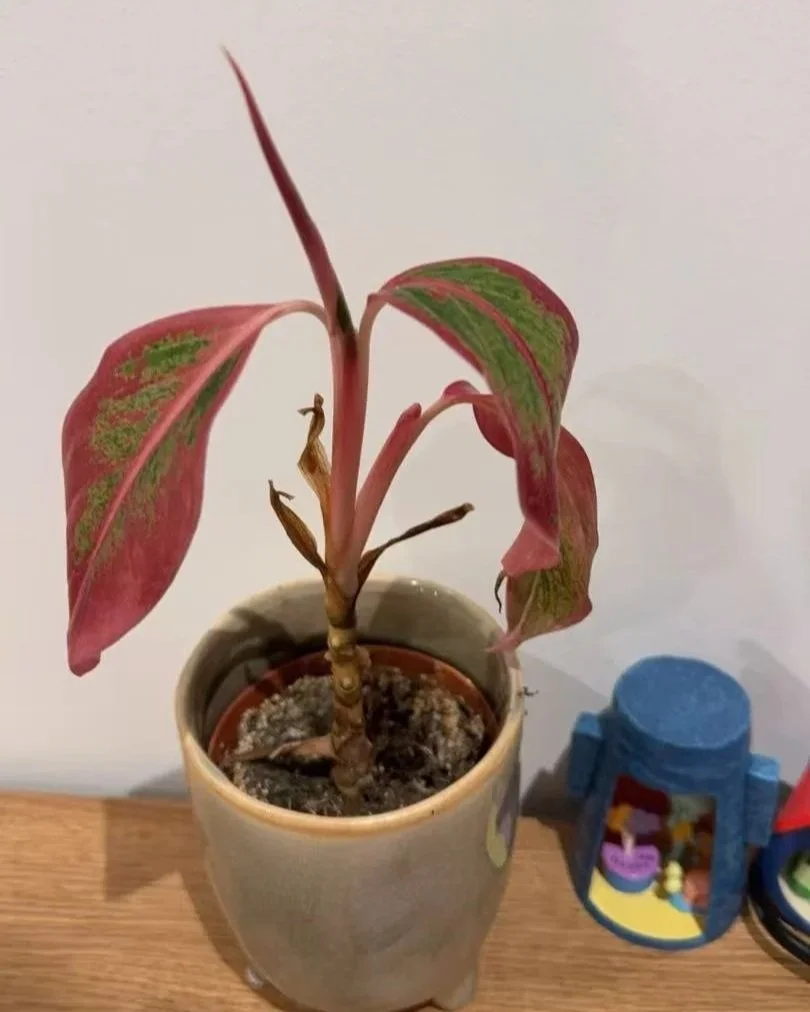
This new direction stemmed from a personal experience of failing to care for a plant I had brought into my home. When I noticed it was dying, I began searching for ways to help it recover, but despite my efforts, I couldn’t bring it back to health. This made me wonder. what if there were a system that allowed houseplants to communicate their needs directly to their owners? This system could help us provide the right care at the right time, turning the uncertainty of plant care into a more intuitive and responsive relationship.
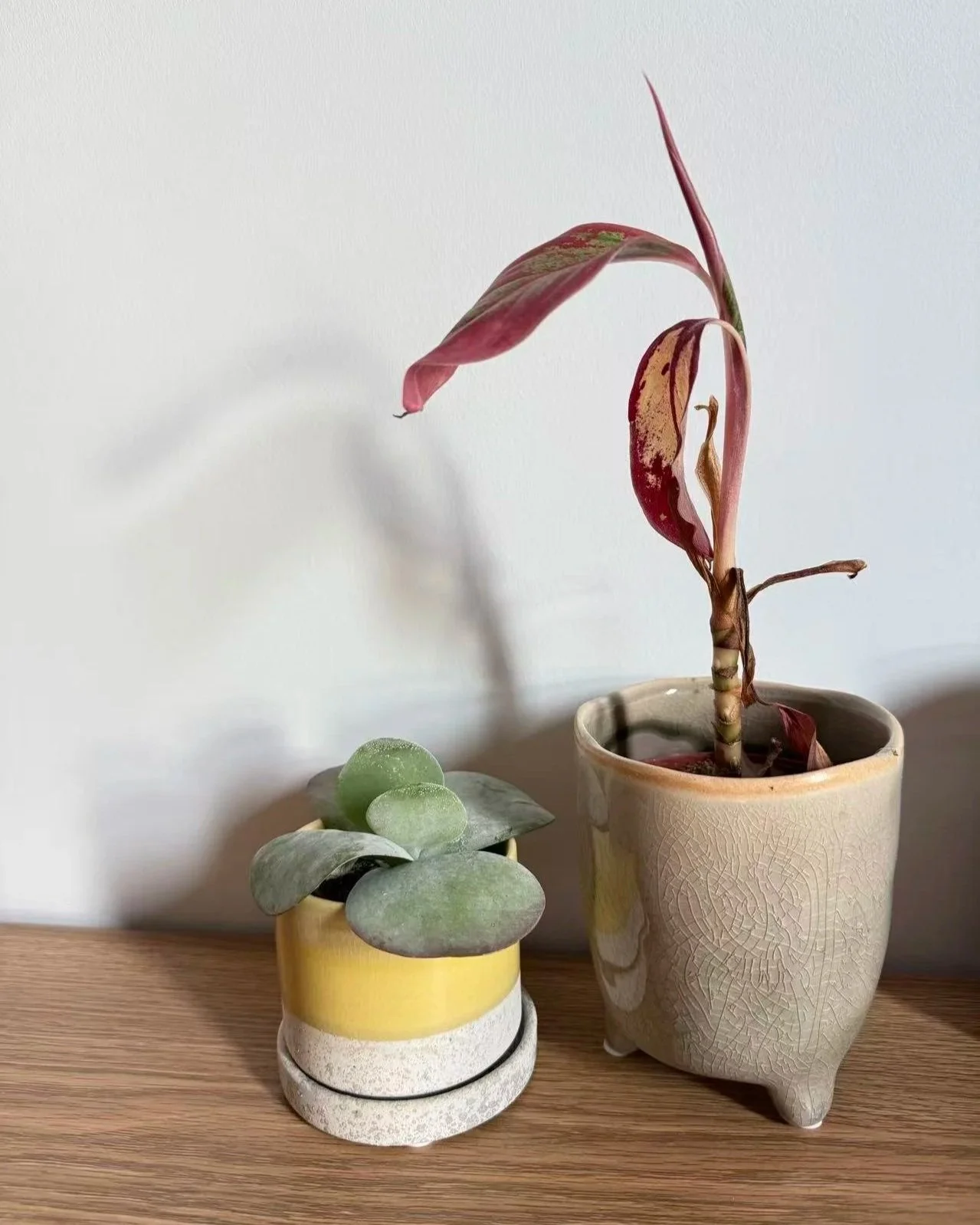
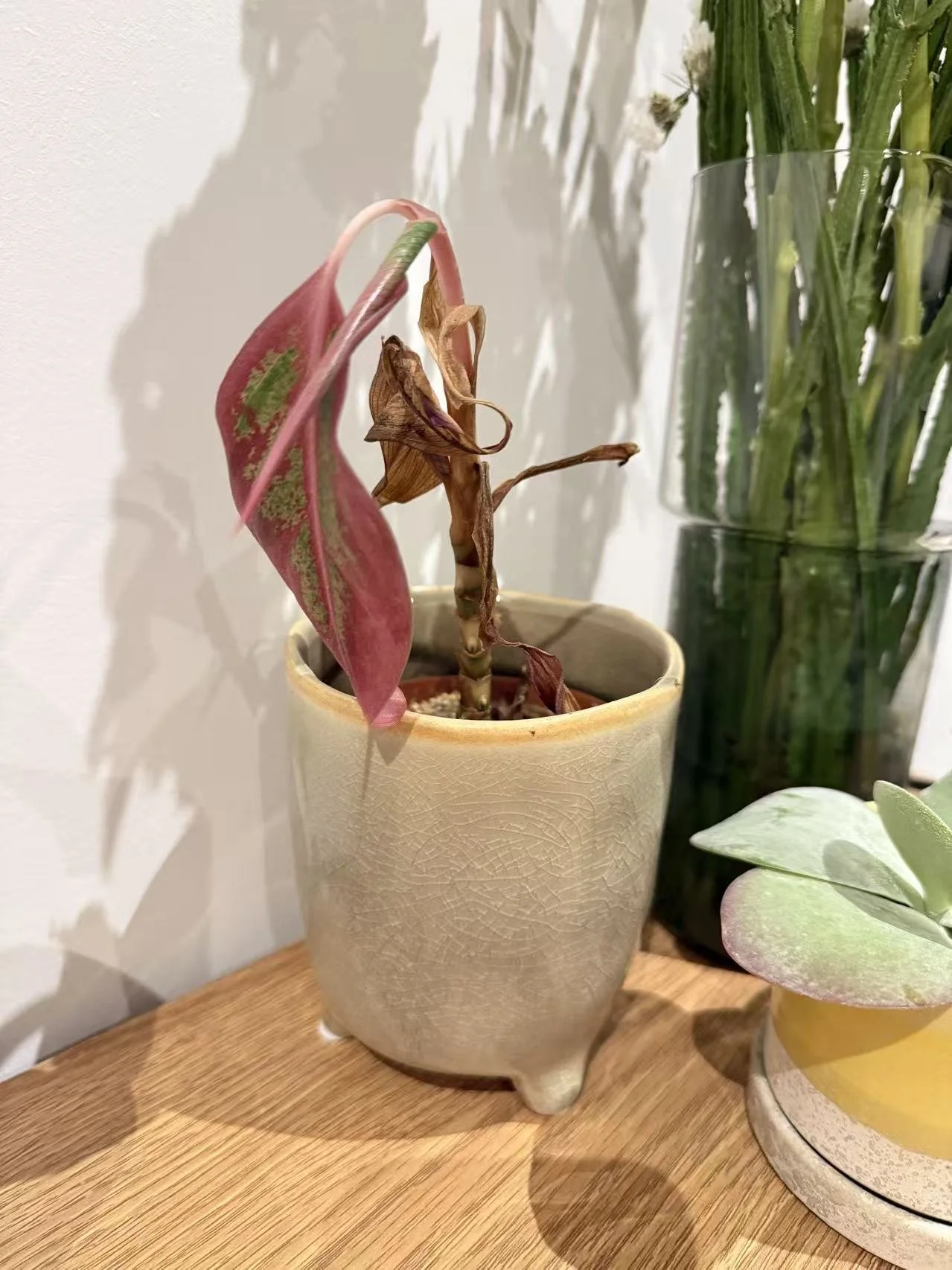
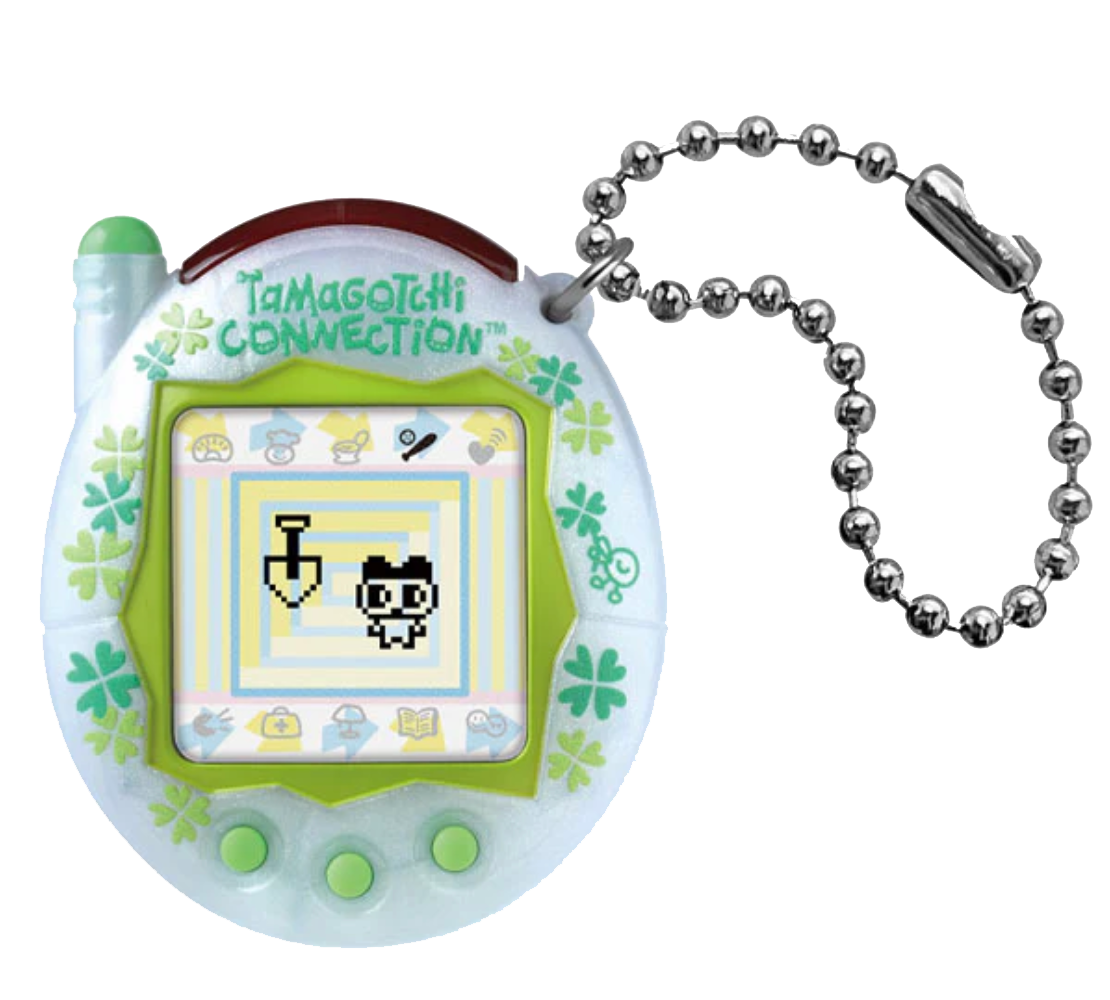
Household pets like cats and dogs communicate their needs in ways humans can usually understand—whether they are hungry, want attention, or feel unwell. This clarity of communication is also reflected in virtual pets such as Tamagotchi, which express needs like hunger, happiness, and health through simple visual cues. Inspired by this, our project explores the idea of giving house plants a “voice”.
We began by considering what plants might communicate if they could,such as hydration, nutrients, disease, or environmental conditions, and how those signals could be translated into sensory outputs. This approach is informed by Posthumanism, which challenges human-centered design by emphasizing the importance of non-human perspectives, including plants, animals, and ecosystems. Rather than treating plants as passive decorative objects, we aim to design an interactive system that acknowledges their behaviours and needs, encouraging more attentive and responsive care.
At the same time, the project reflects on human motivation. People are often more engaged when actions are met with feedback or rewards, as seen in everyday interactions driven by notifications and visual cues. By translating plant signals into immediate visual or auditory feedback, we chose to incorporate memes to test whether this kind of response can encourage more consistent care. In doing so, the project attempts to bridge communication between humans and plants but also highlights our reliance on sensory stimulation, turning plant care into a more engaging and interactive experience while ultimately supporting the well-being of the plants themselves.
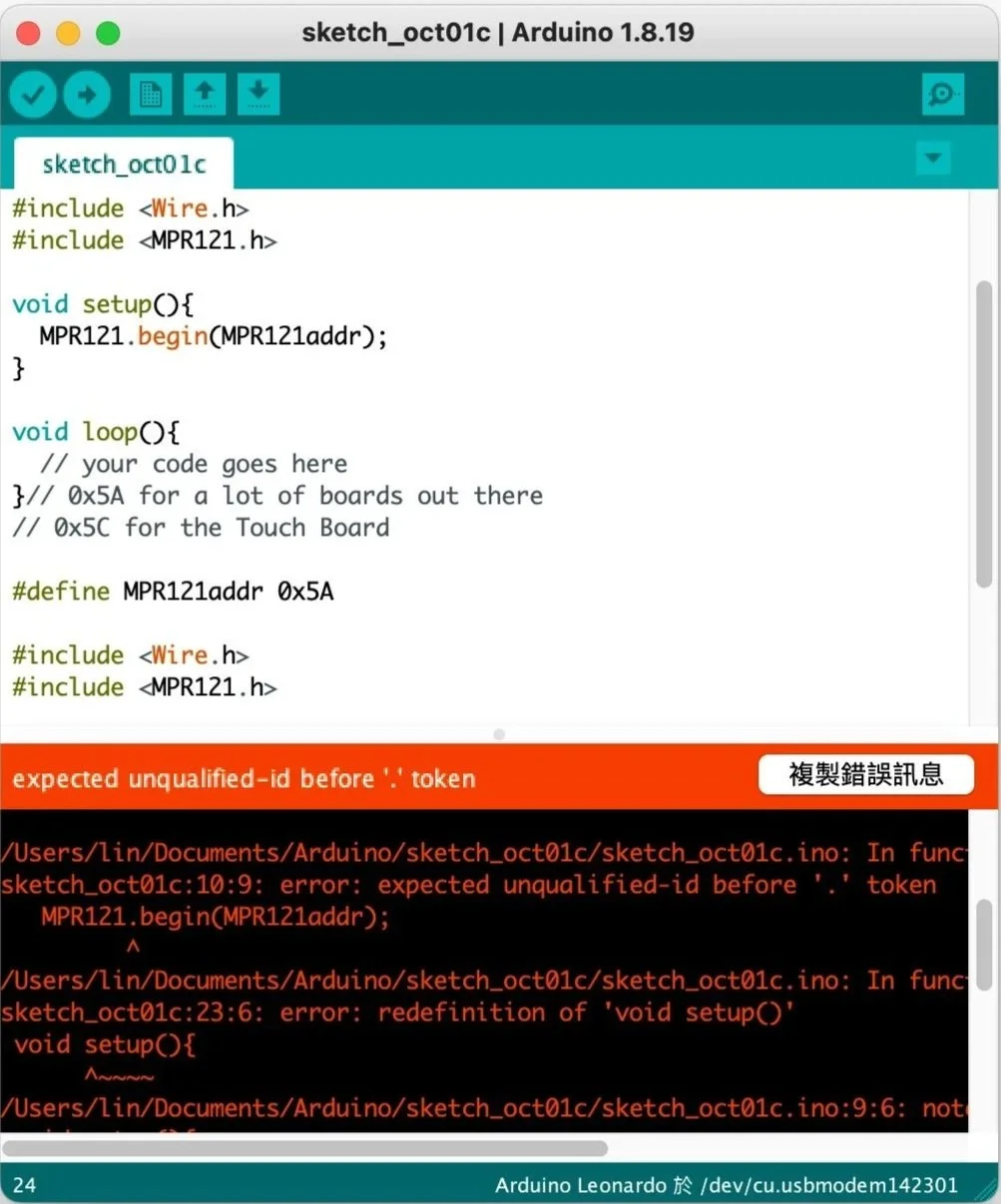
Arduino coding error we encountered when setting up
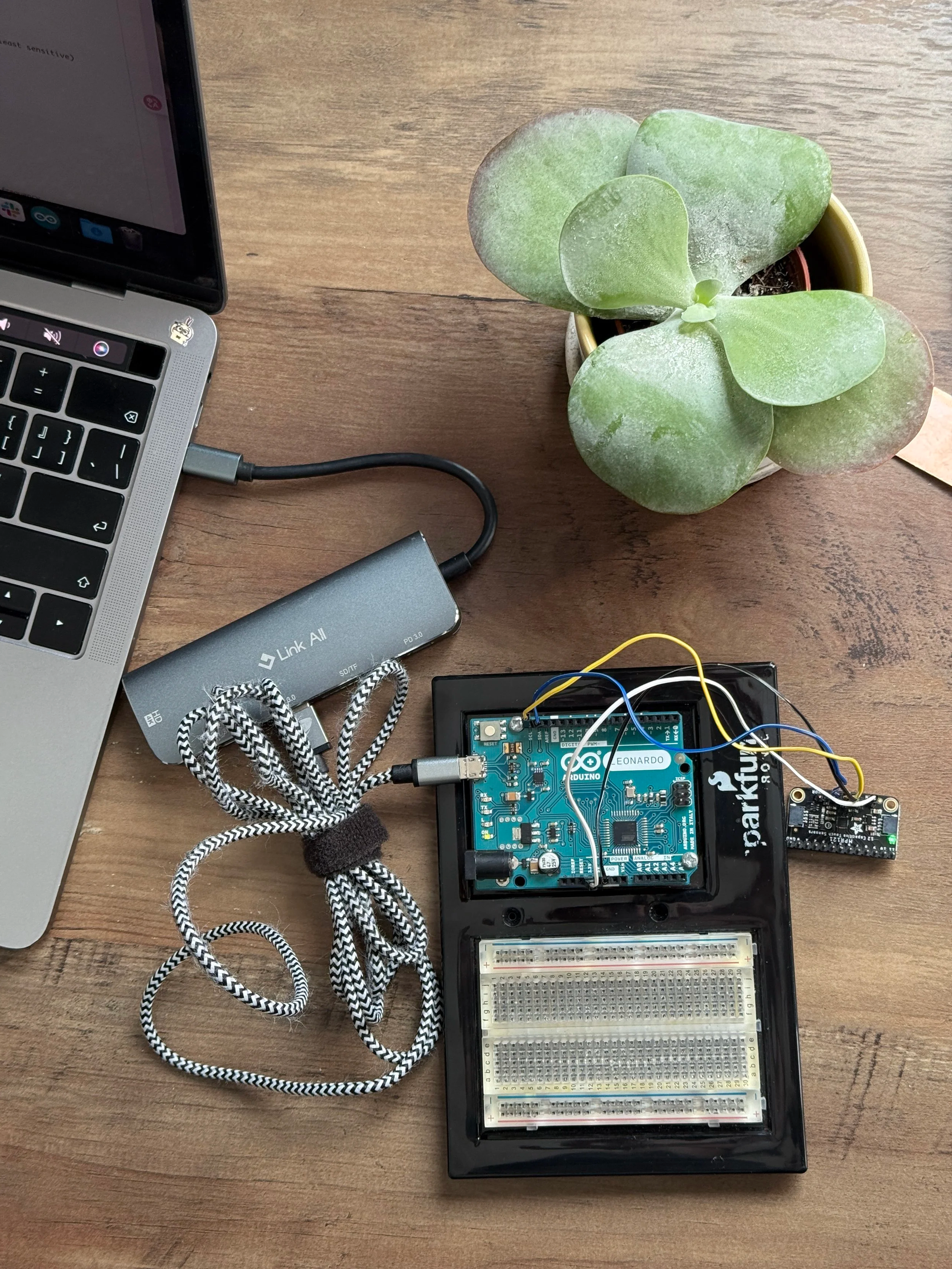
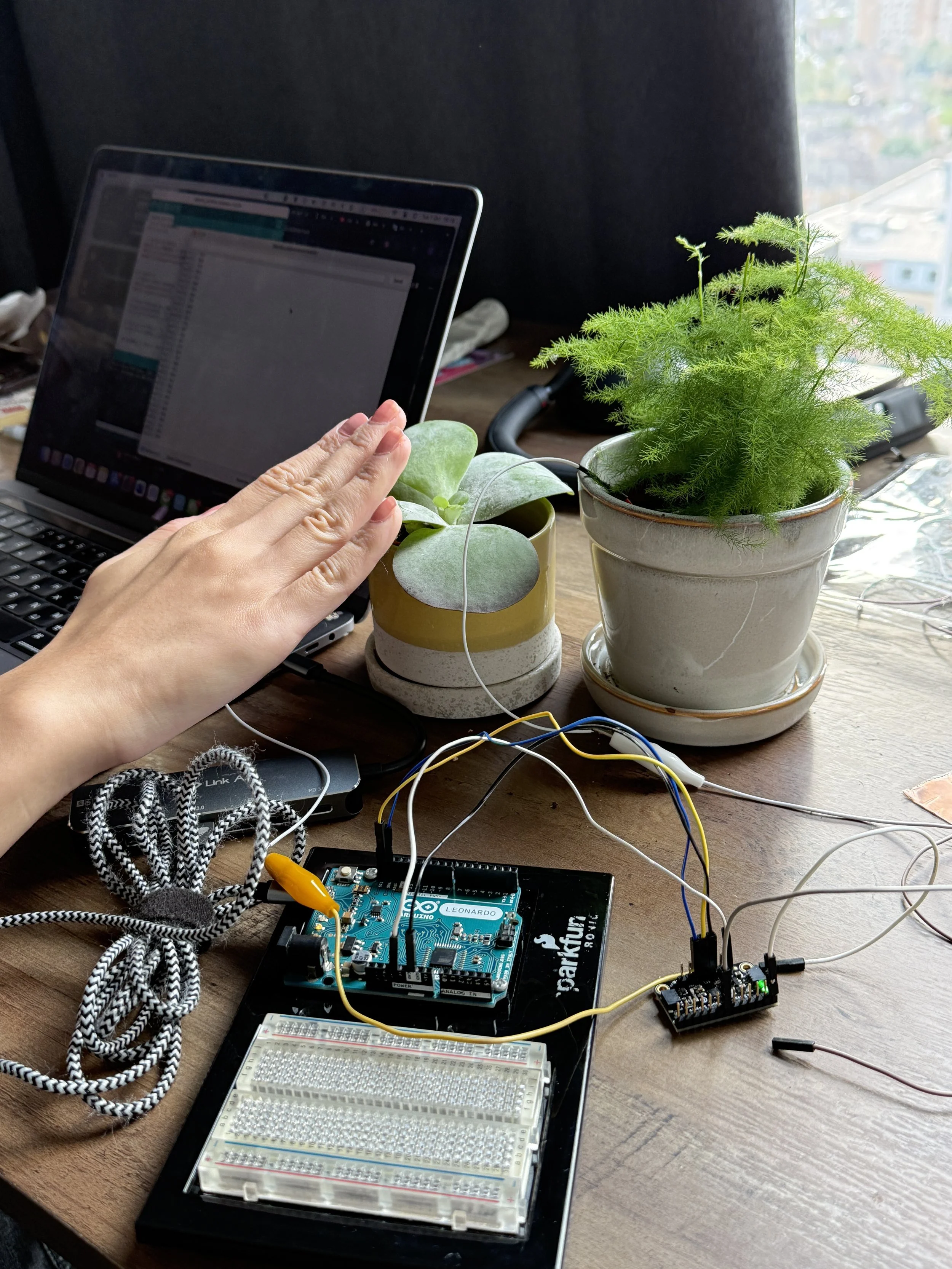
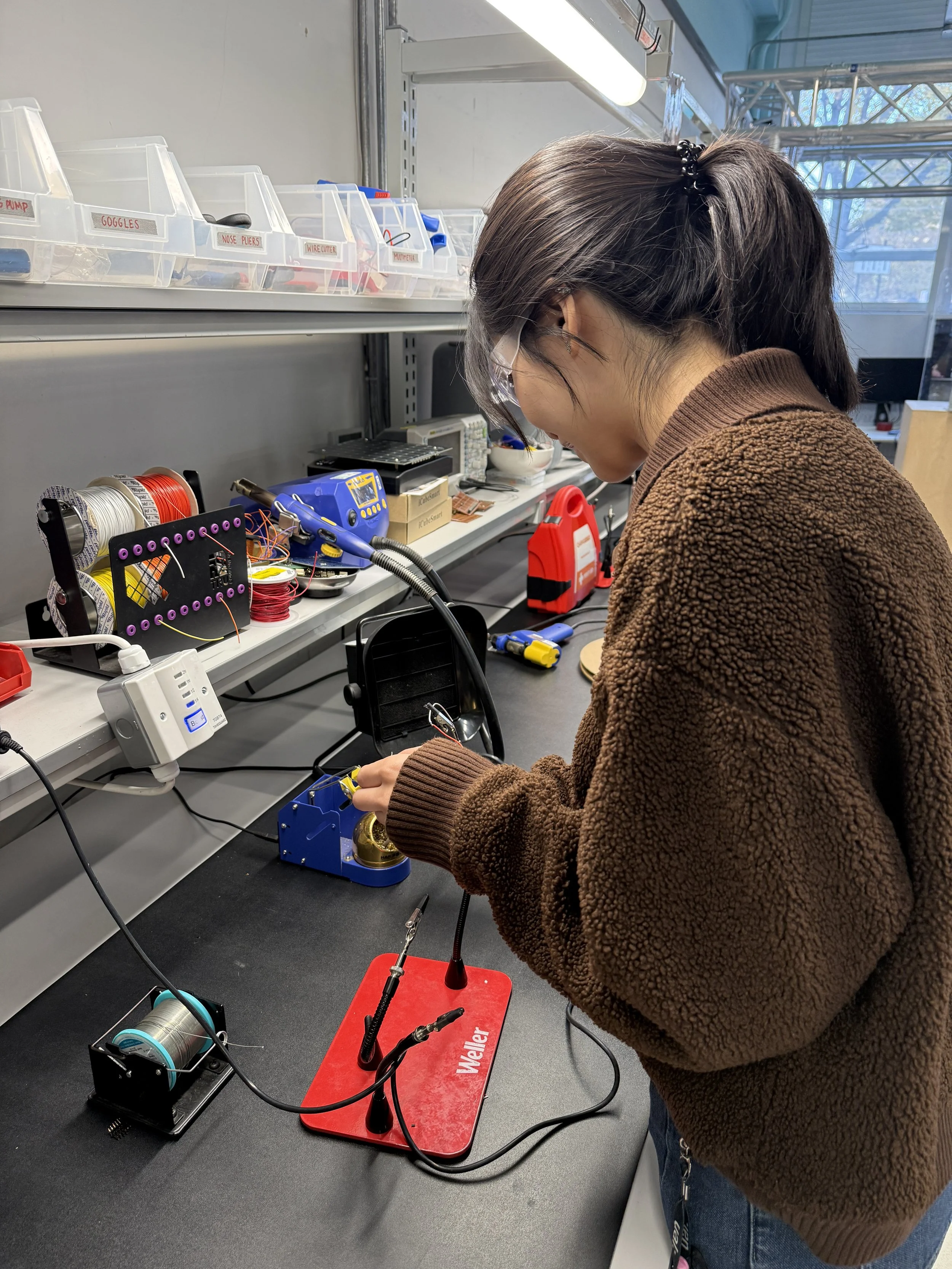
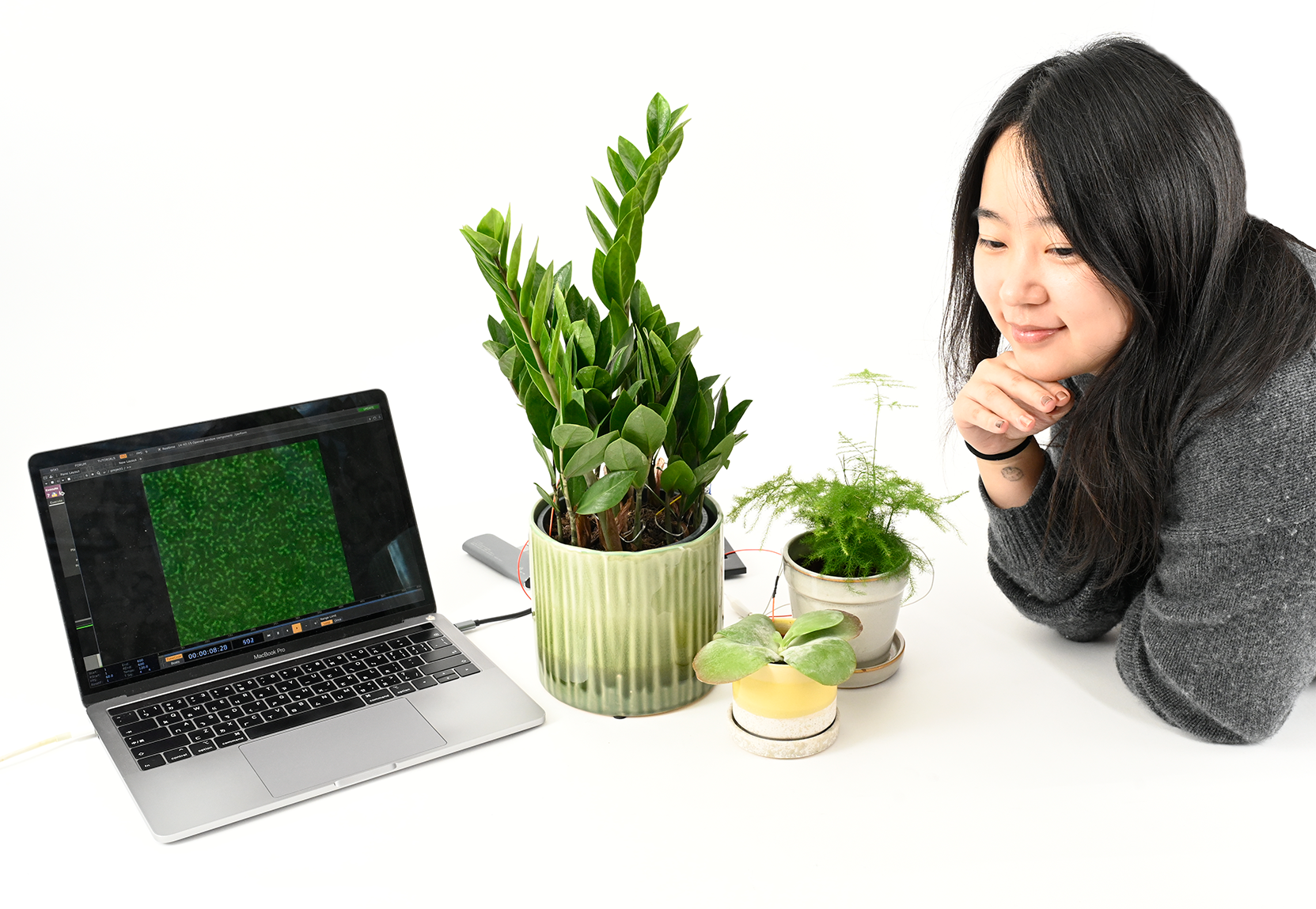
WIP images of us setting up and testing with plants
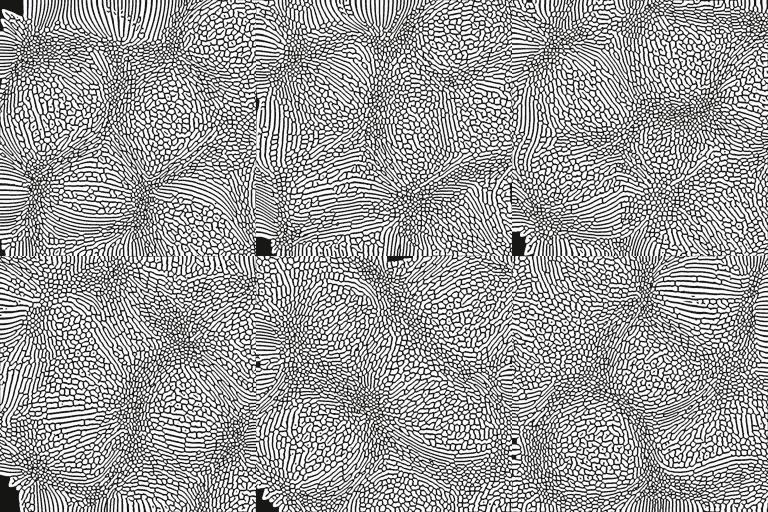
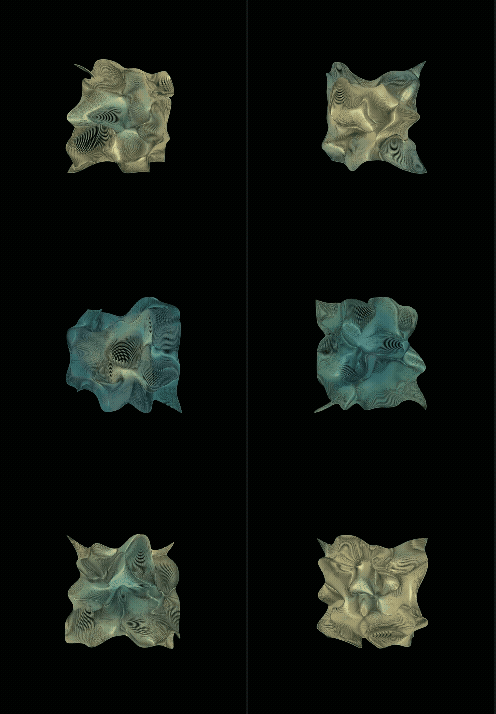
Plant cells visual draft (Made in TD)
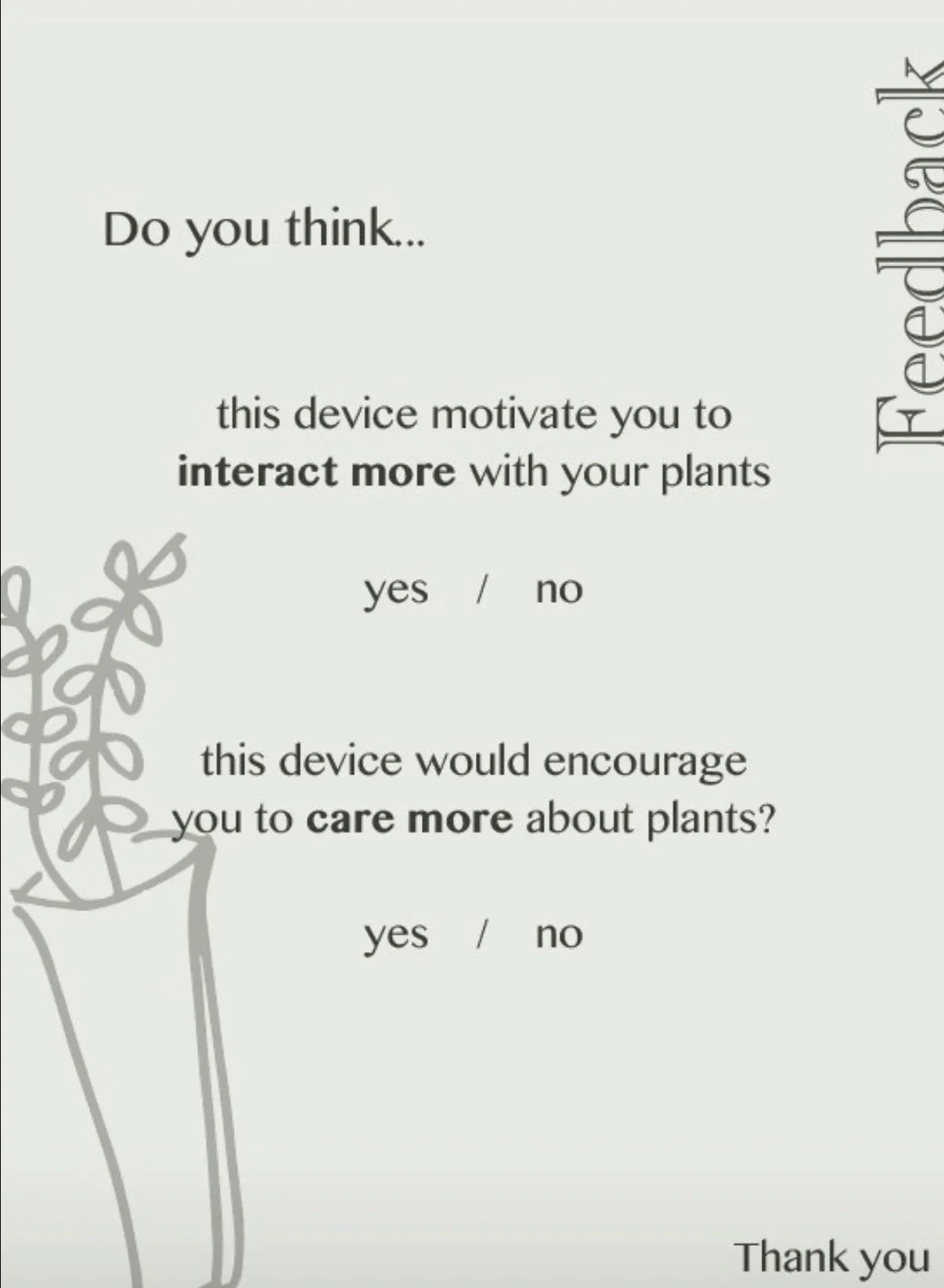
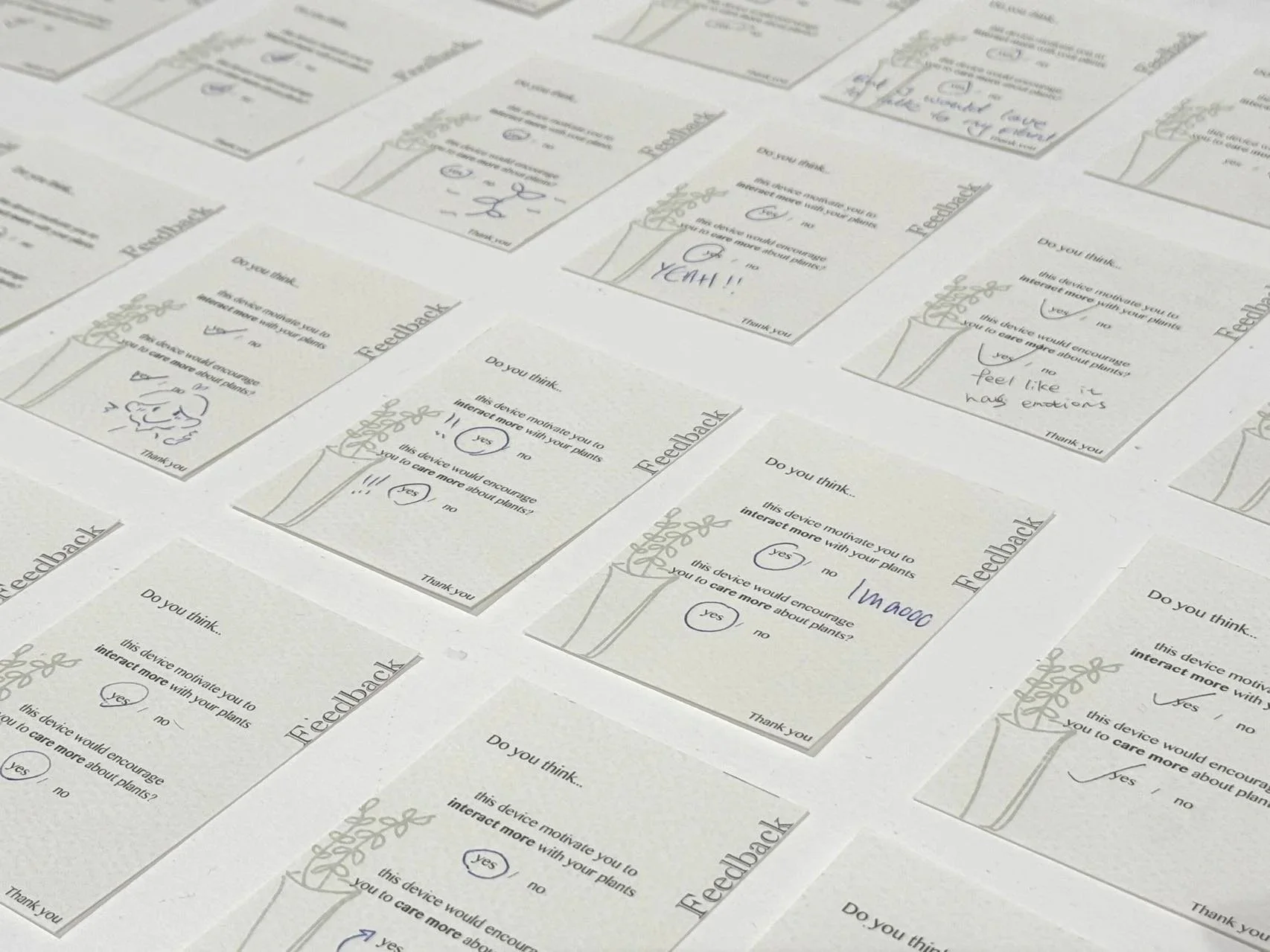
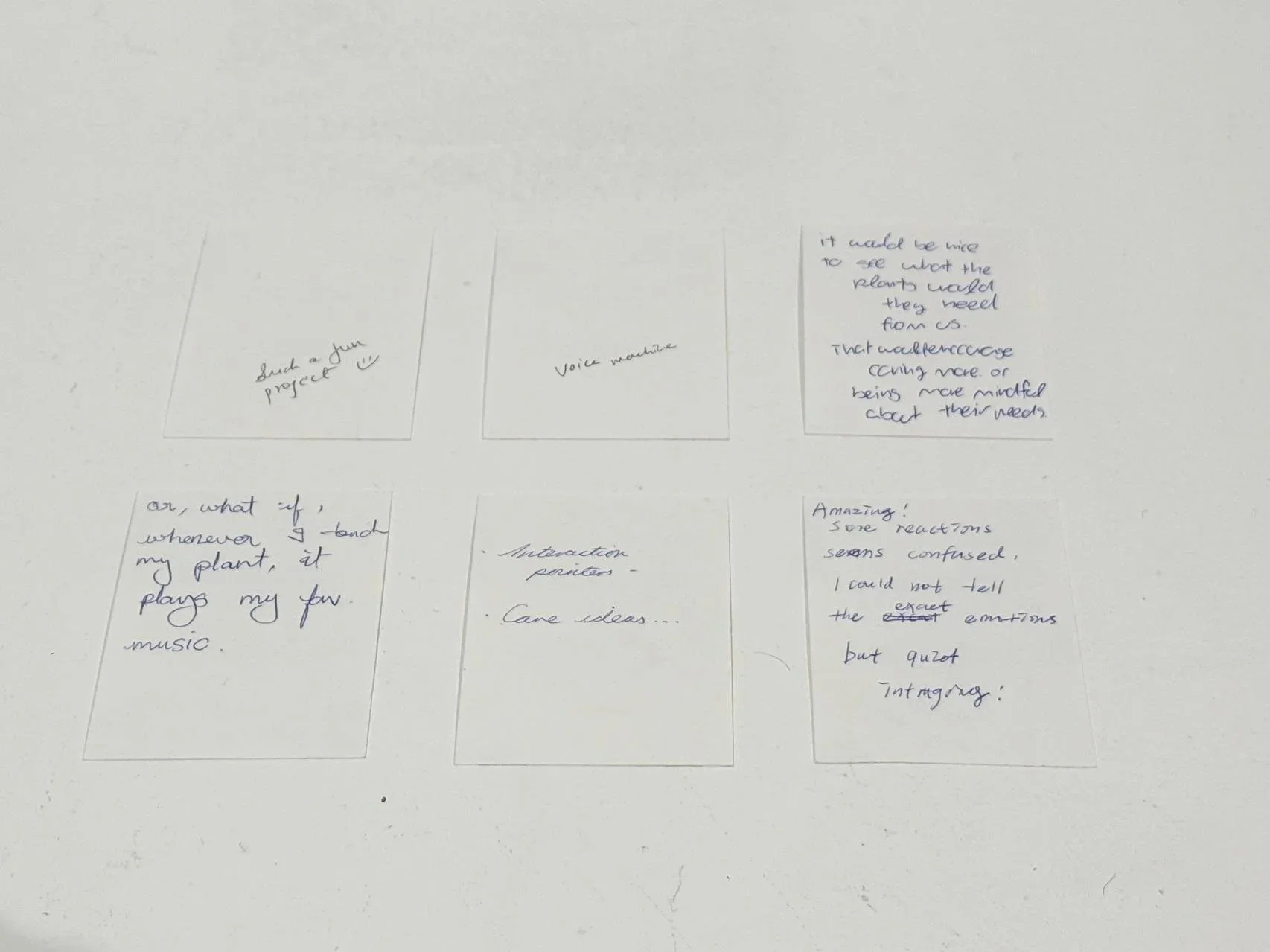
Grad show survey cards
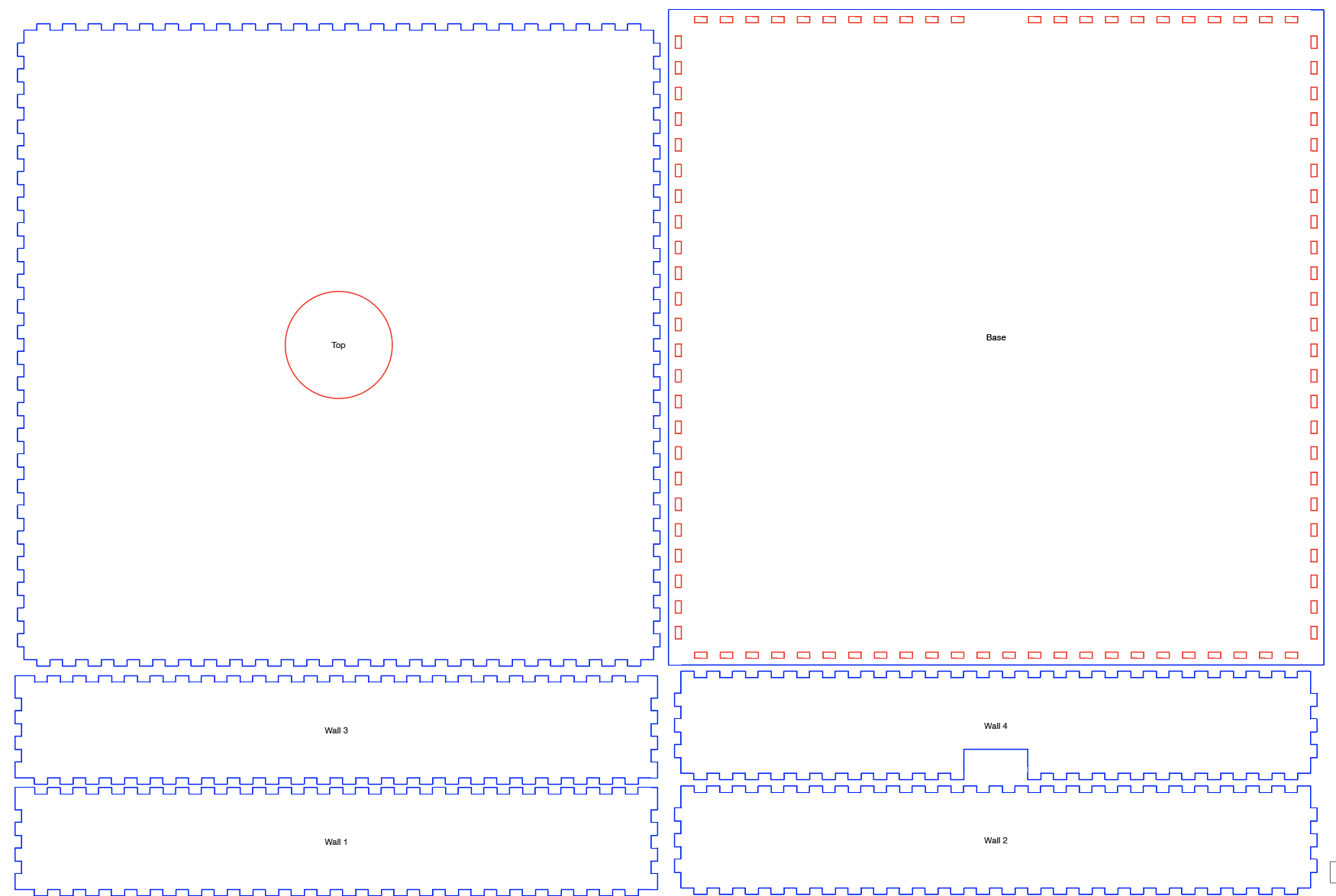
Lasercut box file
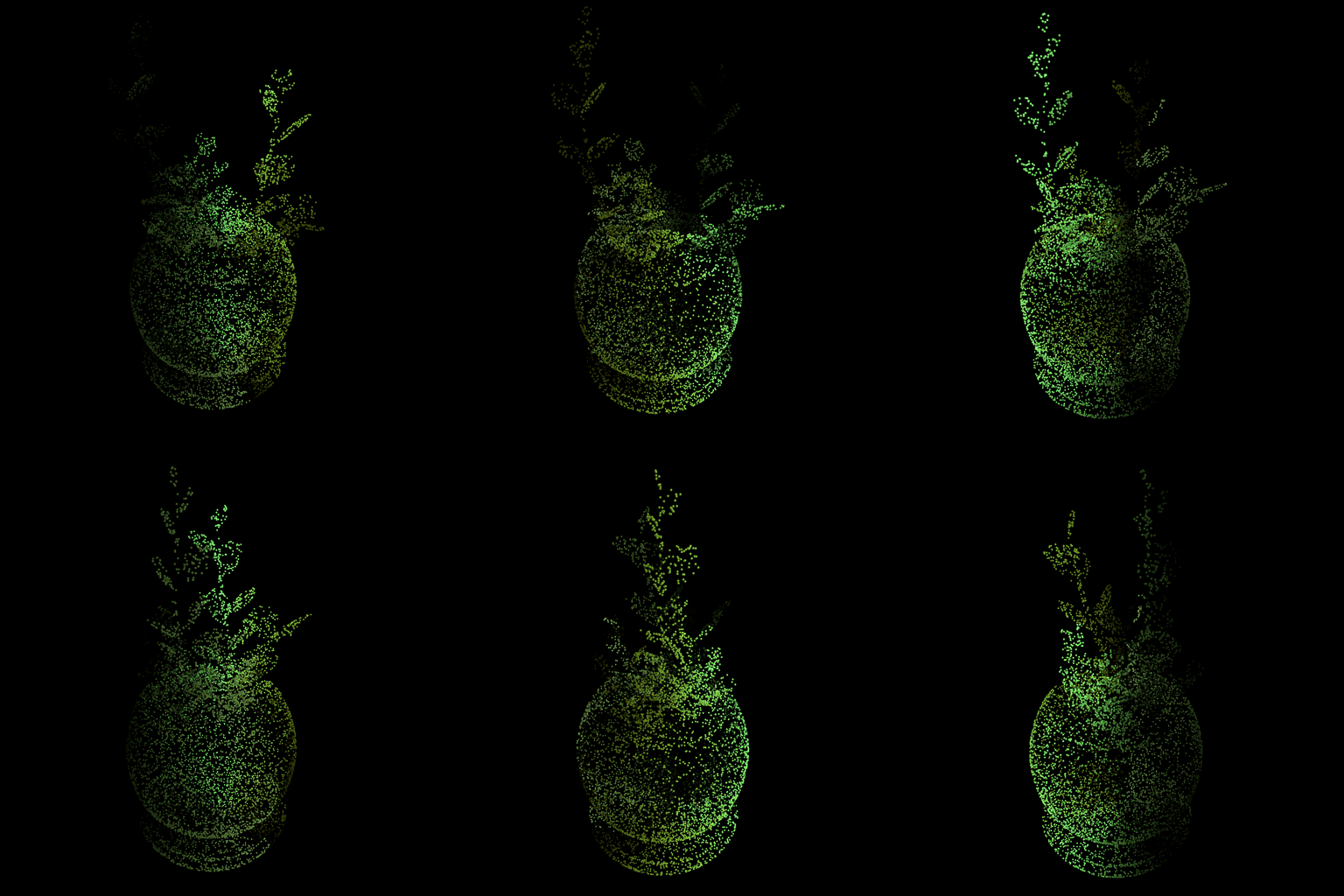
Plant pot visual draft (Made in TD)
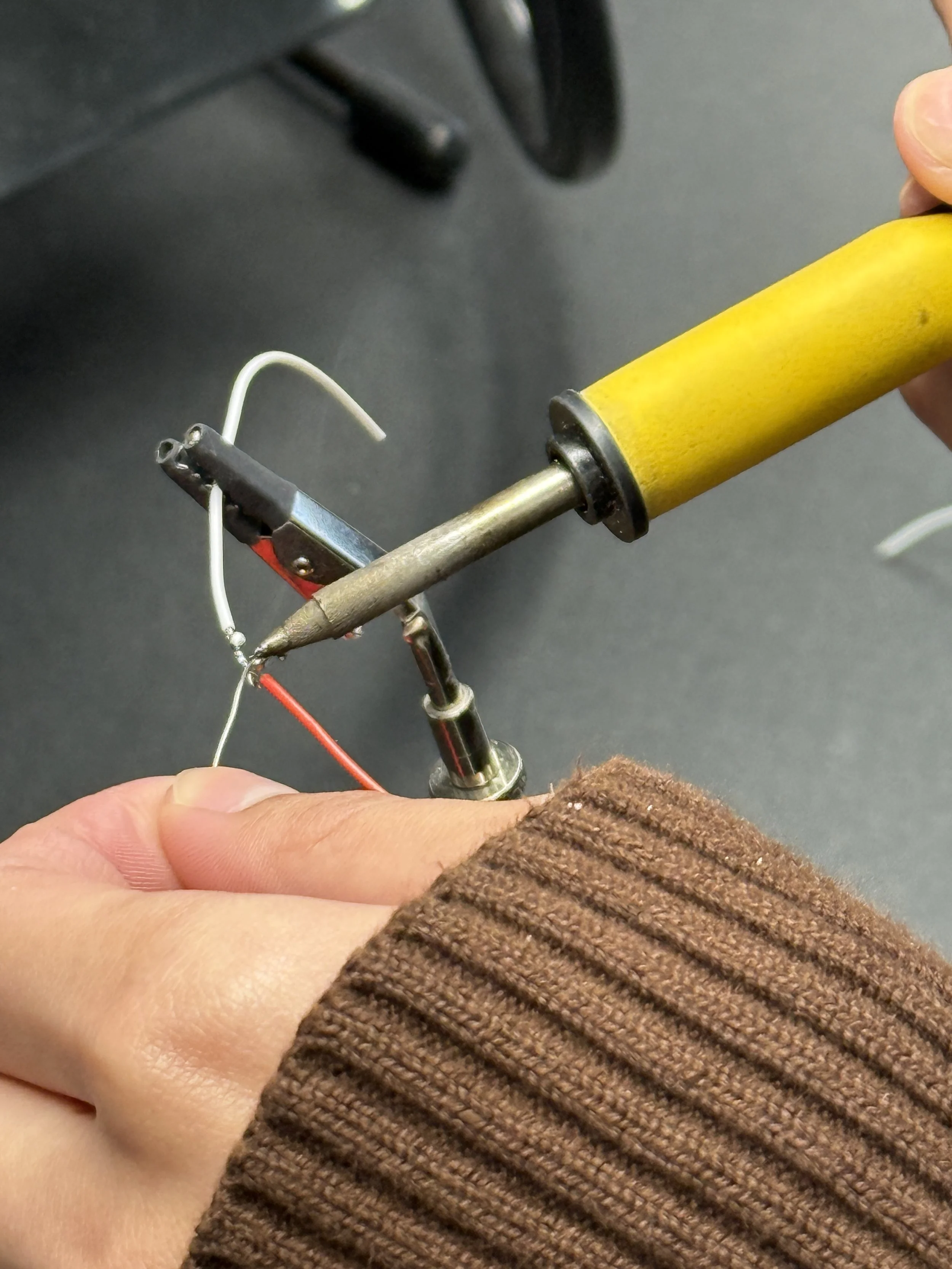
Soldering wires for plants
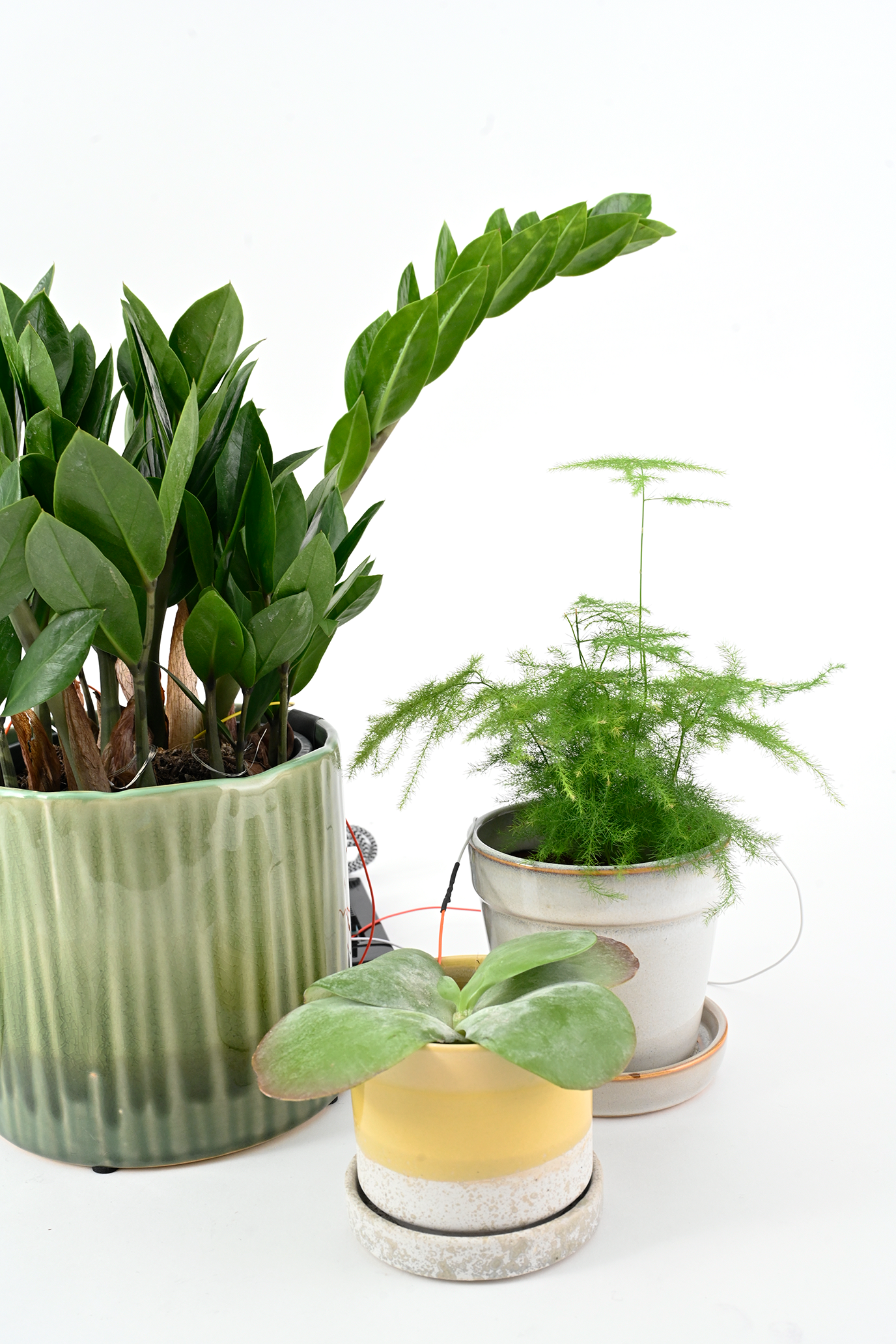
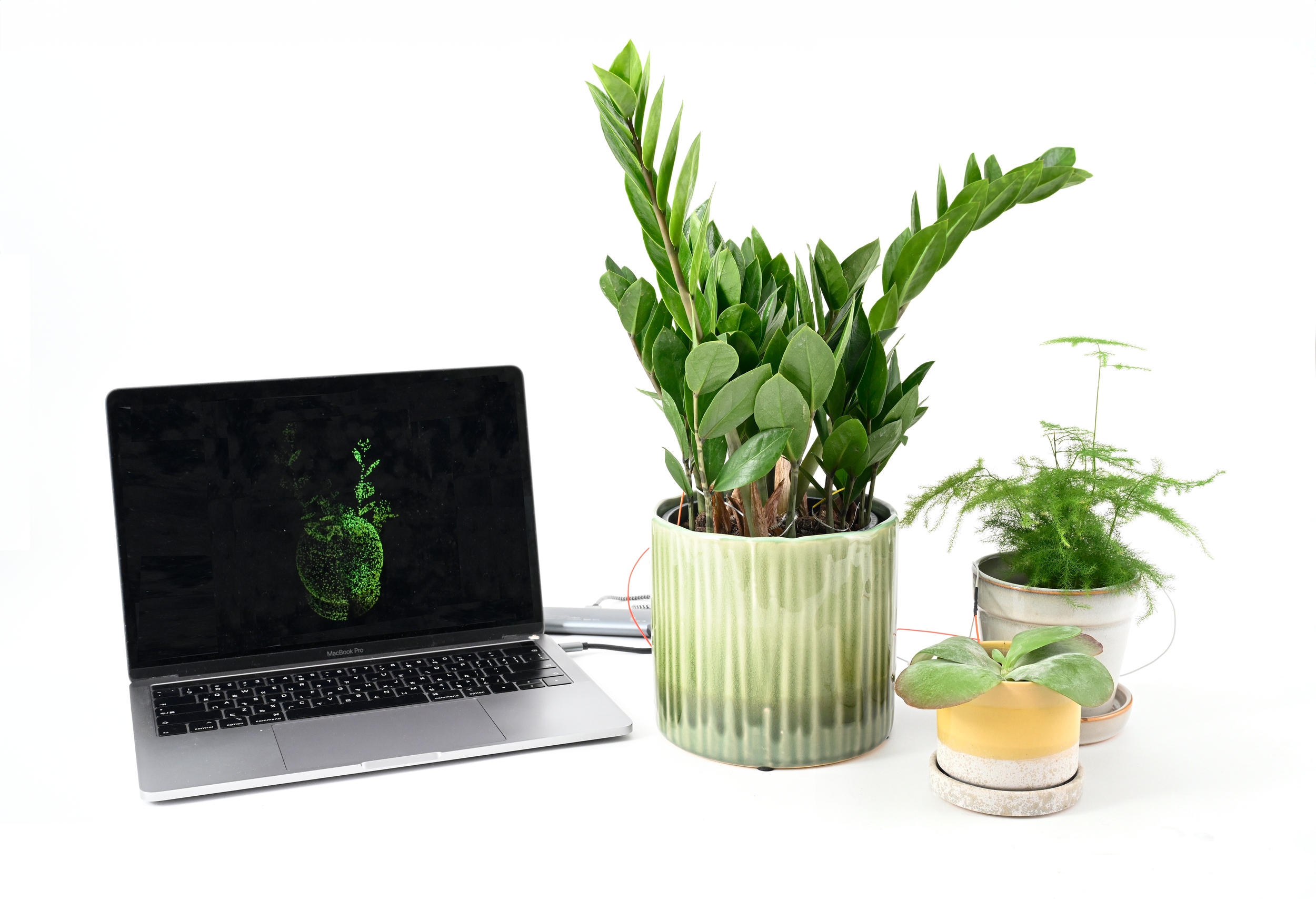
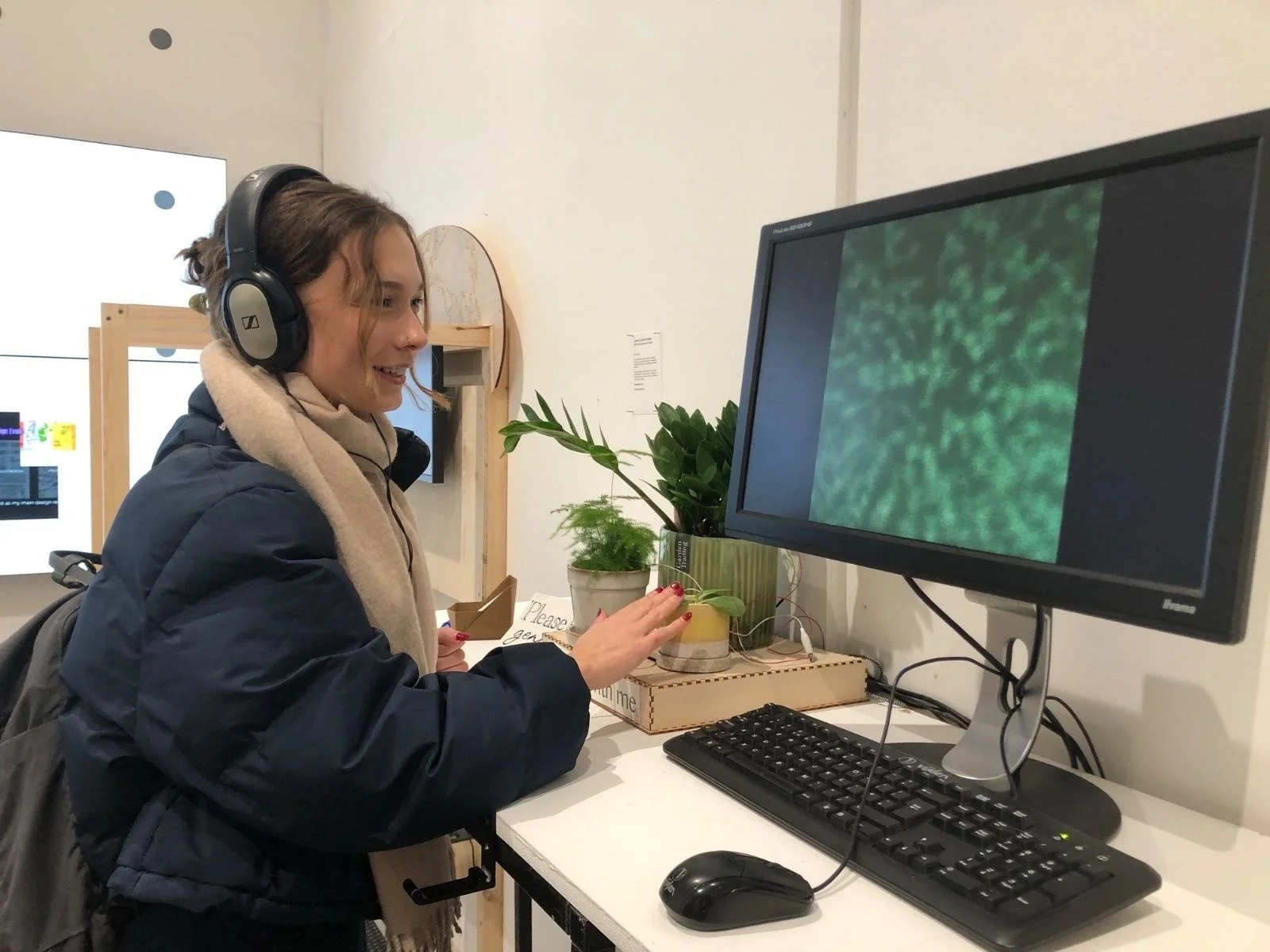
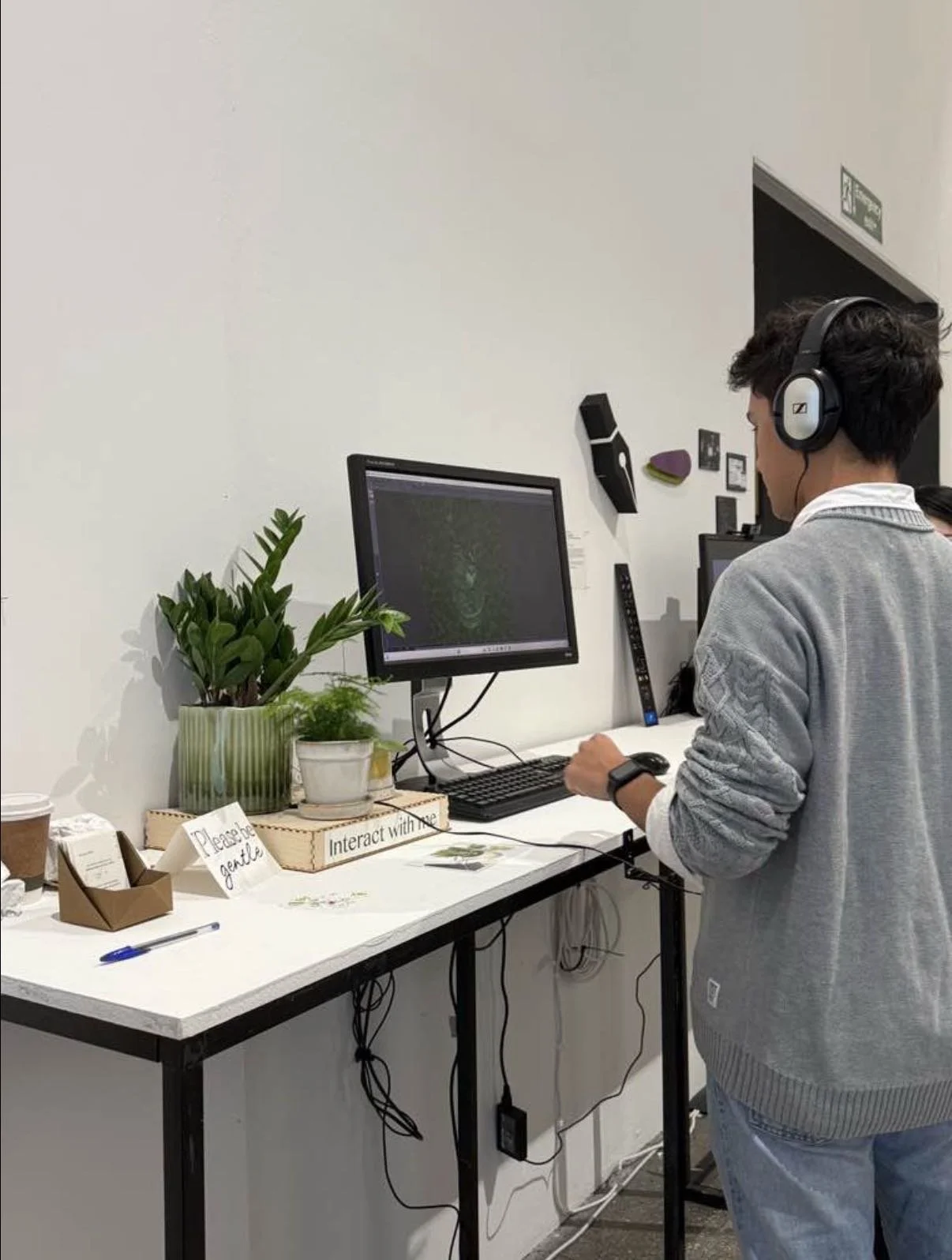
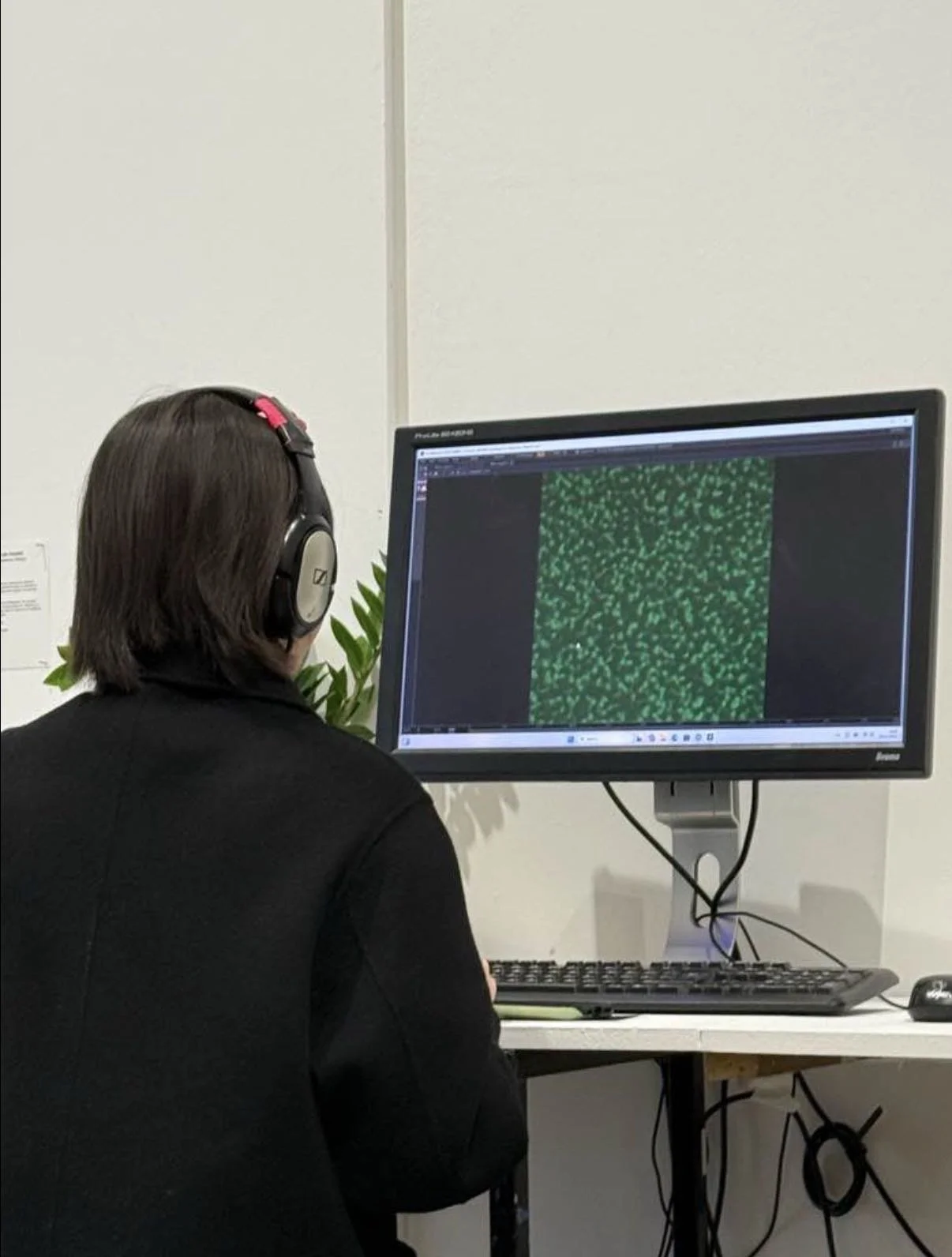
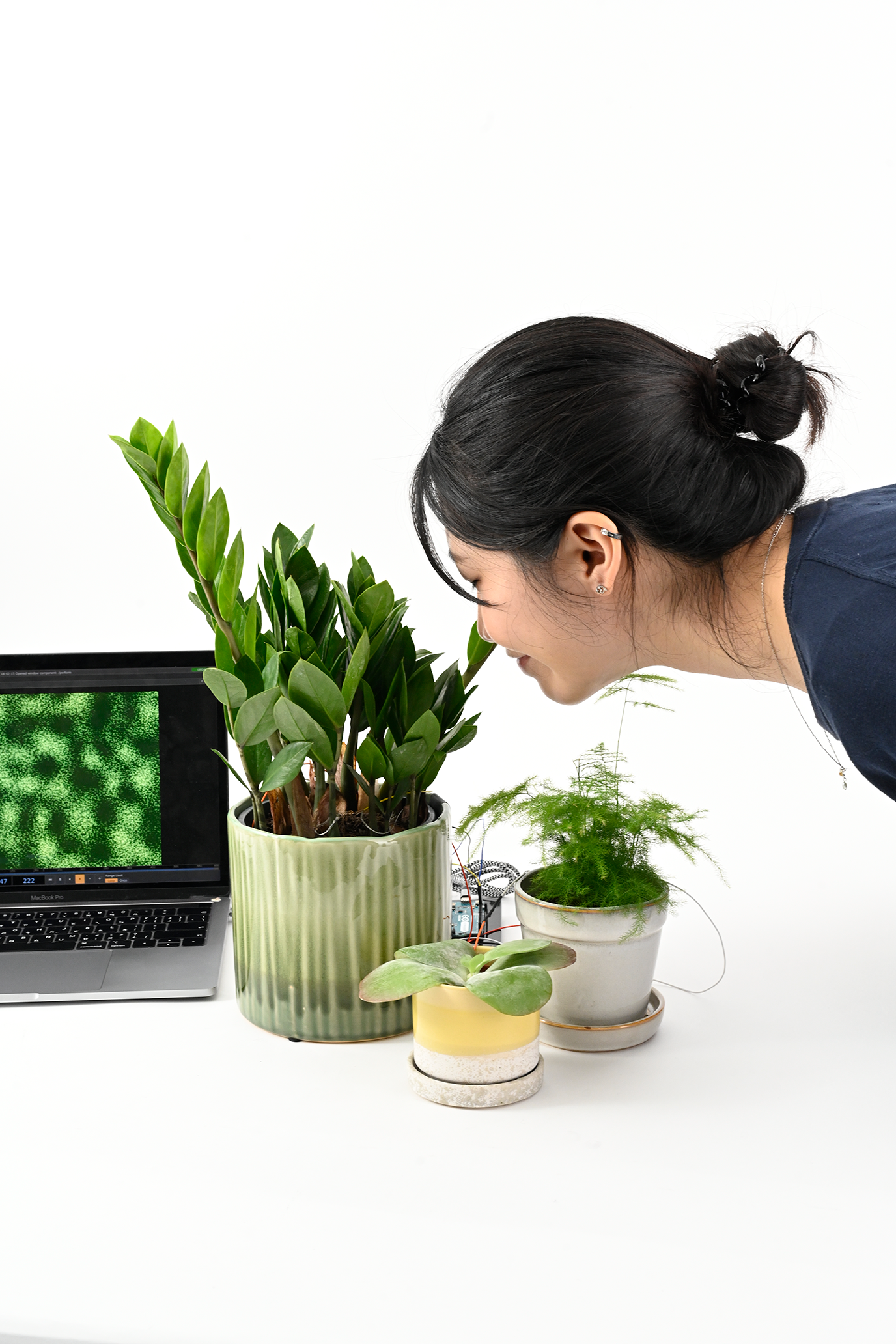

Our final result is an interactive installation that invites people to engage with houseplants in a playful way. Three plants are connected to a touch sensors that measures proximity, triggering a different internet meme each time someone approaches or touches it, accompanied by dynamic visuals that move to the beat of the audio.
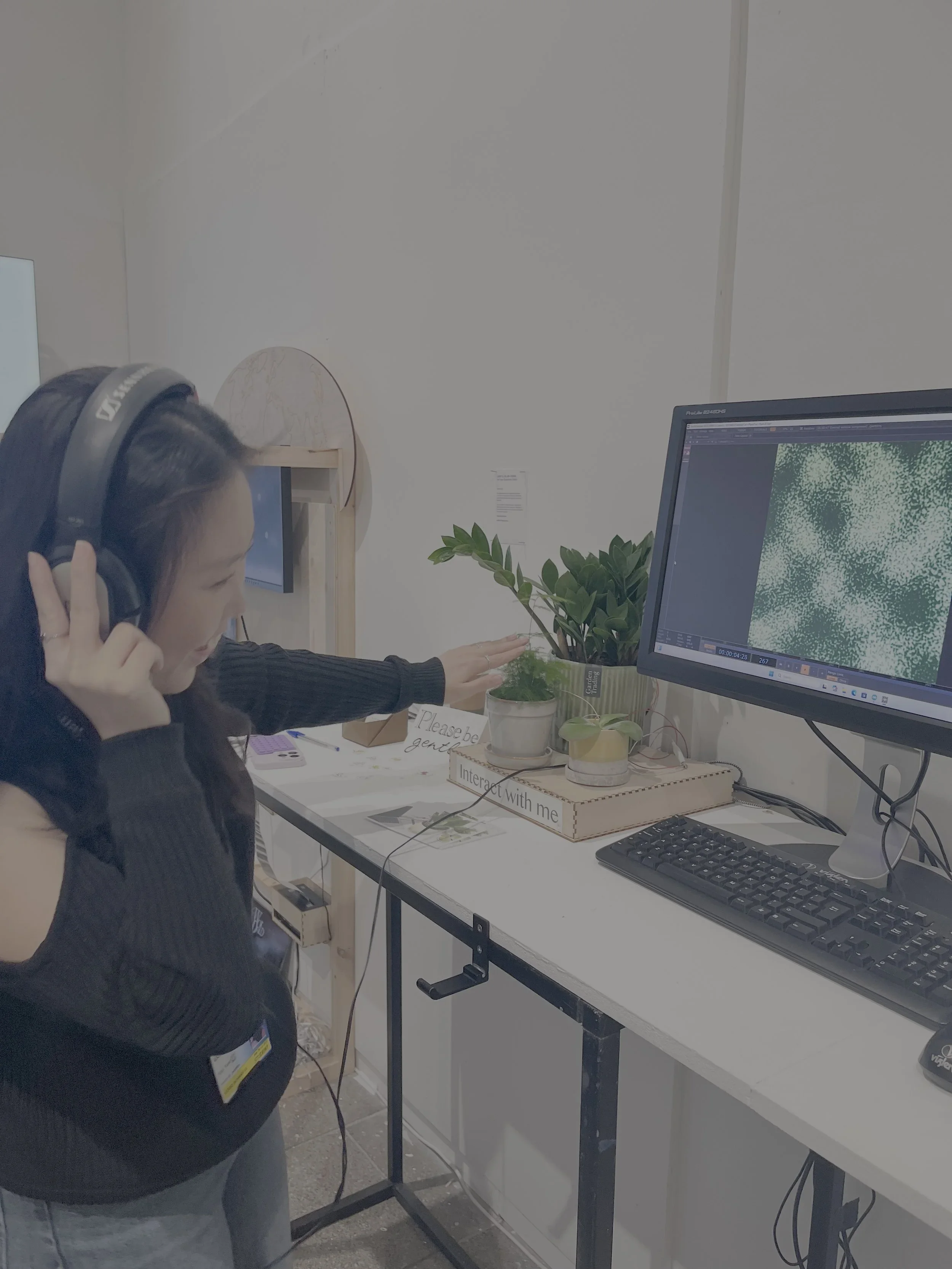
During the show, we were delighted to find many participants enjoying our project. On our written feedback sheets, we found that most of the people found our installation playful and engaging, some even wrote on the back to give extra comments and suggestions on how to take the project further. One piece of feedback that really stuck with us came from a participant who said she could imagine this system being applied beyond plants. She mentioned babies, pets, even elderly family members, basically anyone who relies on steady, attentive care. It was a funny and slightly unsettling observation.
In its own lighthearted way, we hope our device gestures toward what posthumanist design hopes to do: draw attention to the overlooked relationships we share with the non-human world and blur the strict separation between “us” and everything else living alongside us. It’s not a perfect system, but I hope it encourages people to rethink how they relate to the living things in their homes.

How can we develop a system that encourages interaction and communication between humans and plants in the household?
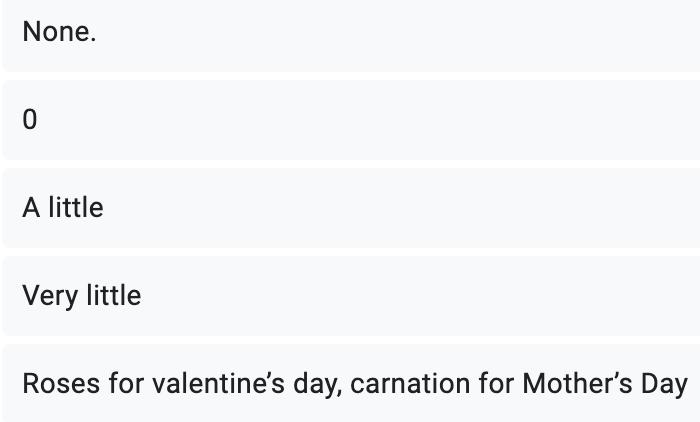
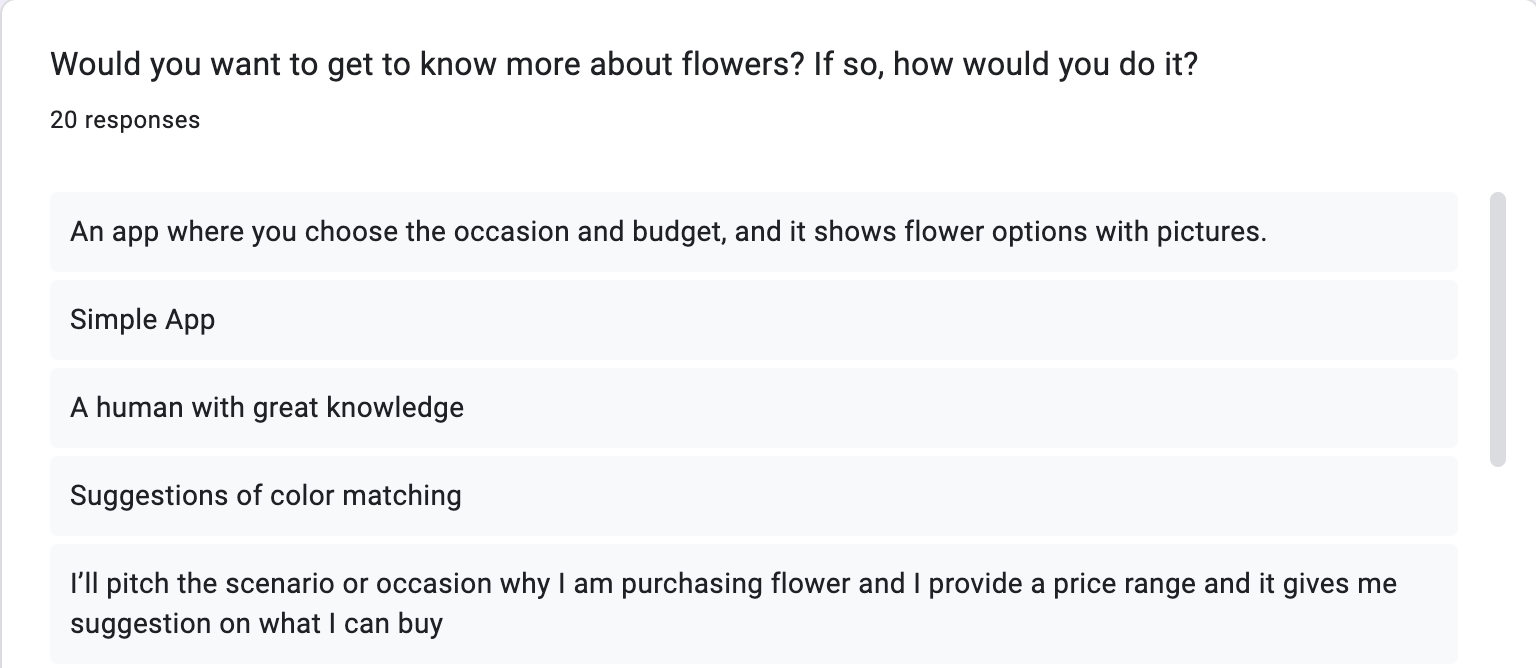
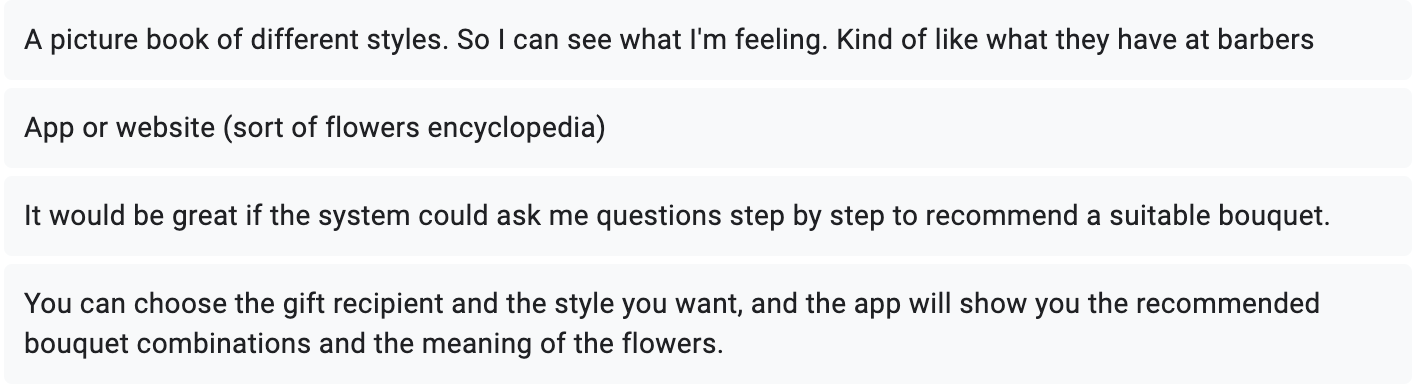
Survey Results


Team:
Ellen Chang
Lissy Li
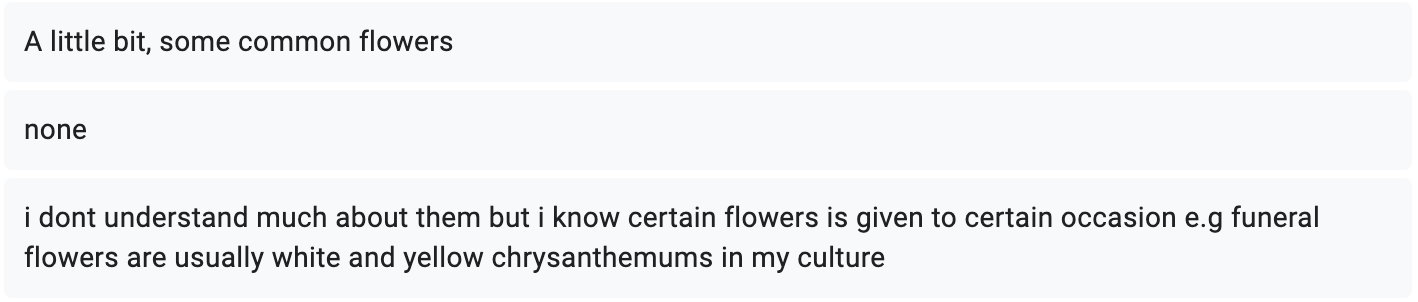
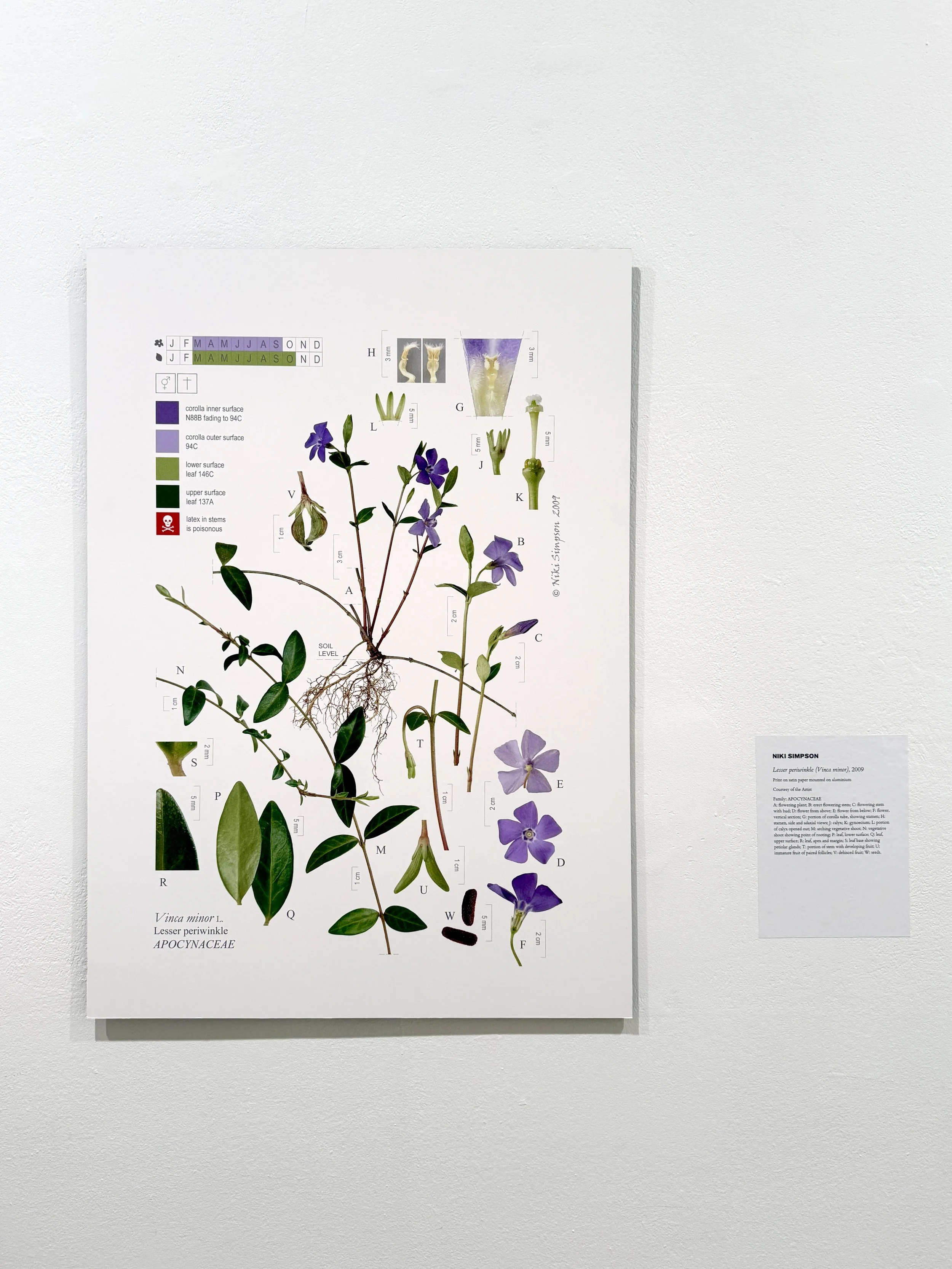
A visit to the Saatchi Gallery and our shared interest in flowers sparked our original concept research revolved around flowers, their meanings and how people interact with them. This led us to explore visual and cultural interpretations of plants, how form and structure can shape perception and meaning.
We also looked at how meaning is communicated through different systems, from language learning tools like Duolingo to symbolic systems such as stamp placement. We raised questions about how people learn, interpret, and assign meaning.
After series of explorations, we realised our focus was shifting toward creating a new language system, which led us to step back and reconsider our direction. Reflecting on the subjectivity of interpretation, and a personal experience of struggling to care for a houseplant—we reframed the project.
This led to the change or our prompt.
New research question:
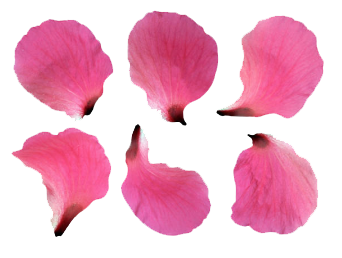

Floral petal sketches and analysis
Research Takeaway
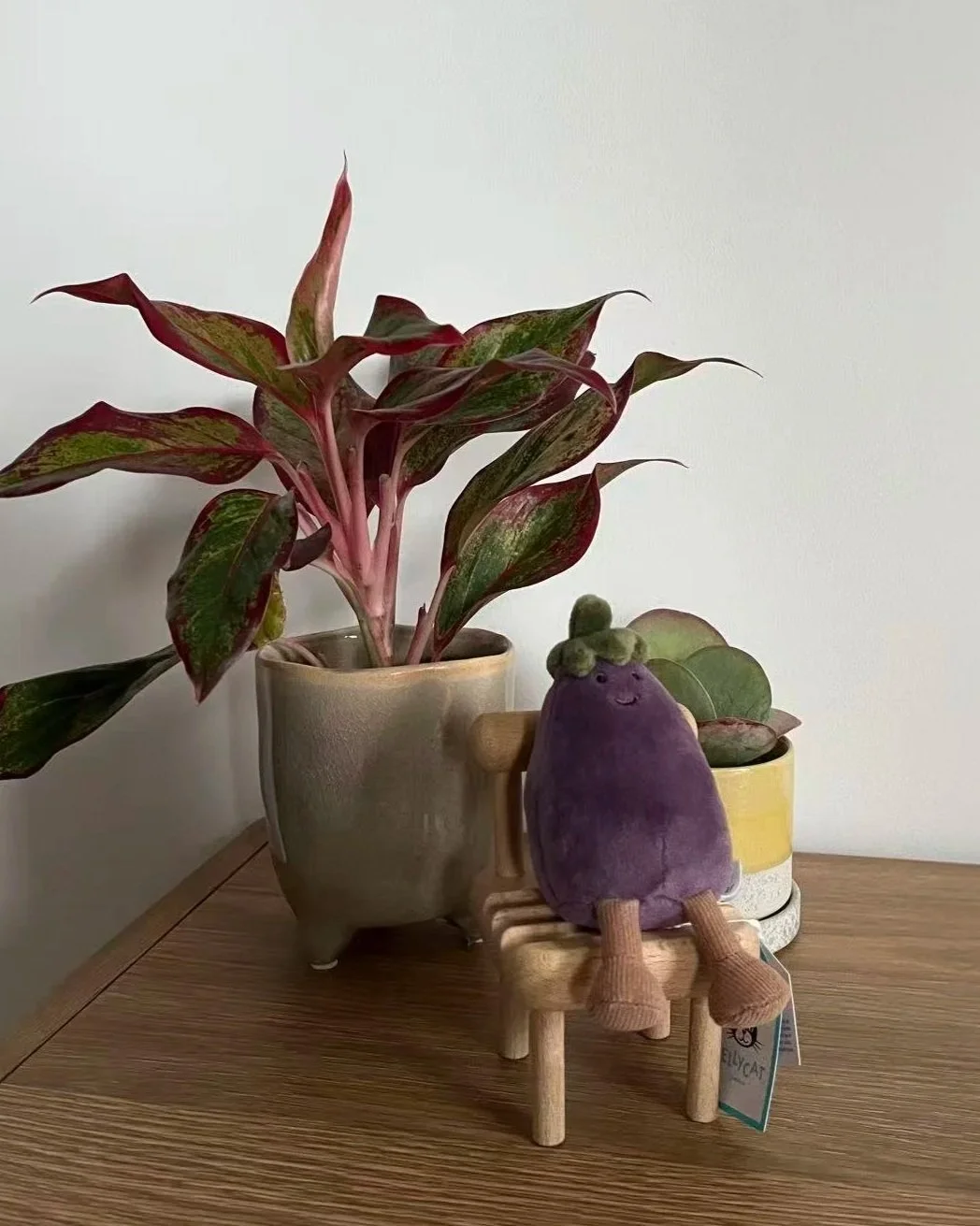
Stages of my plant dying
Concept Building
The Making
First model sketch made by Ellen

Testing the proximity once connected to a plant
Final result components
Interaction model sketch made by Ellen
Tools and Technology
My arduino workshop notes
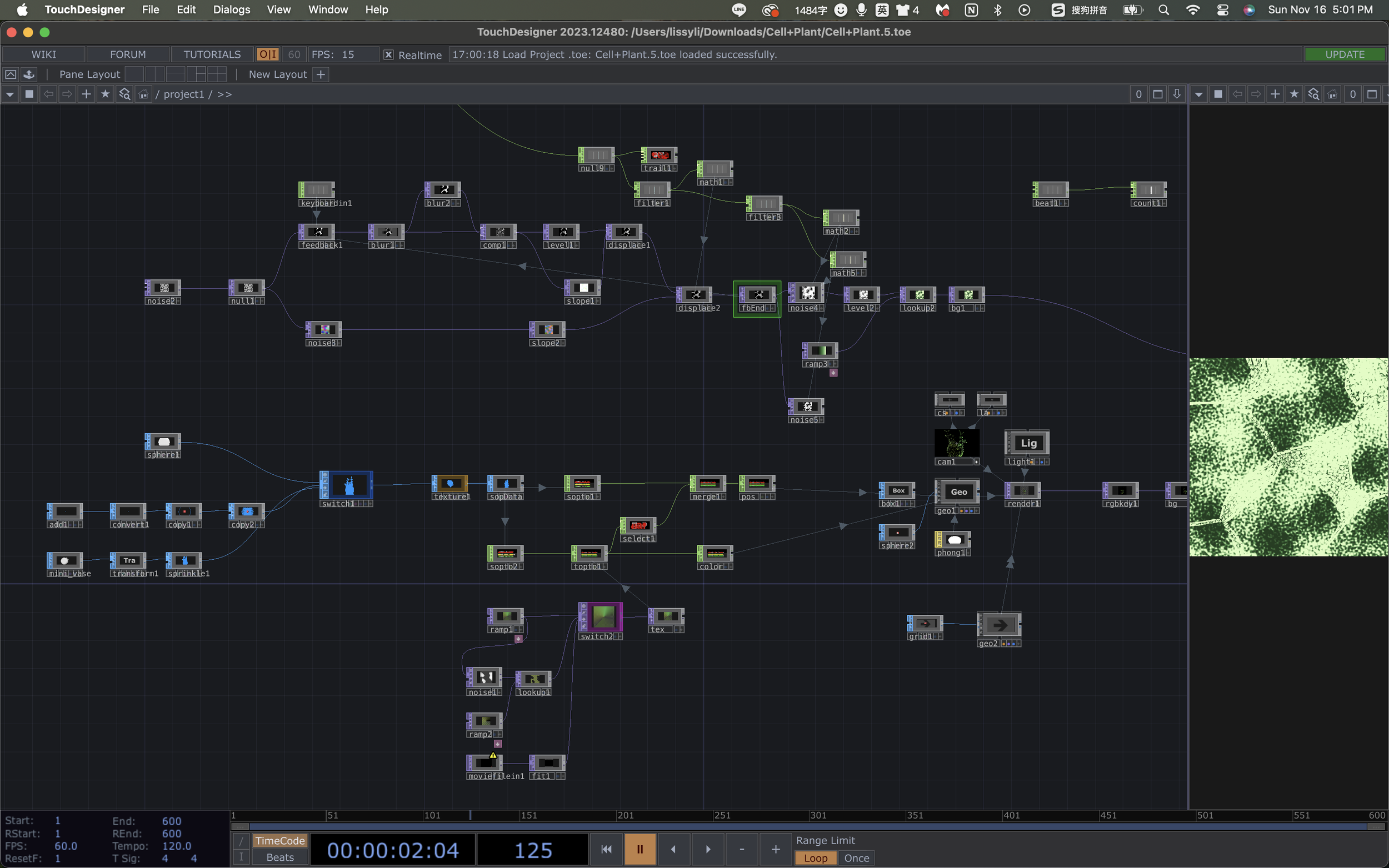
Testing visuals in TouchDesigner
User Feedback
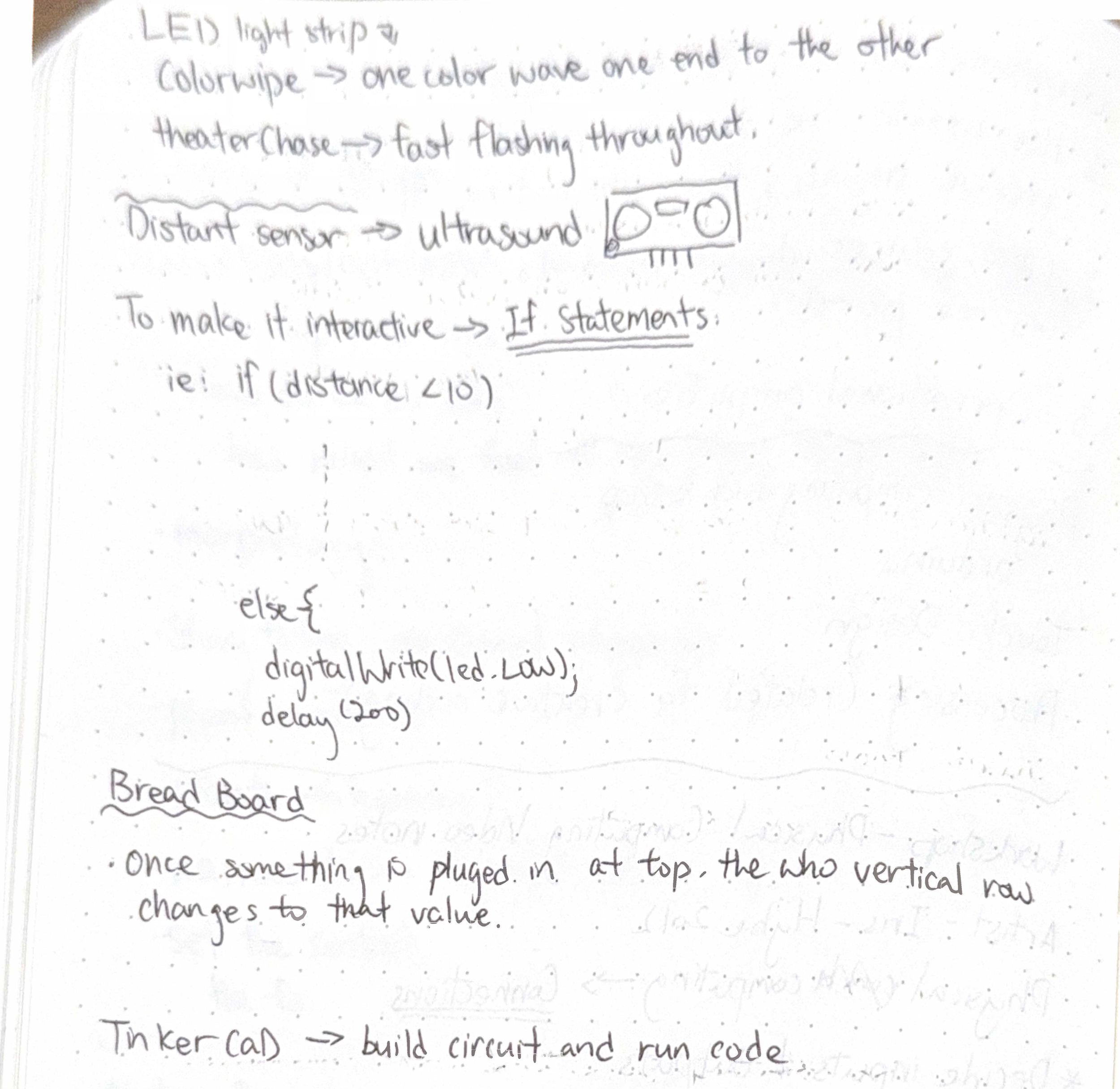
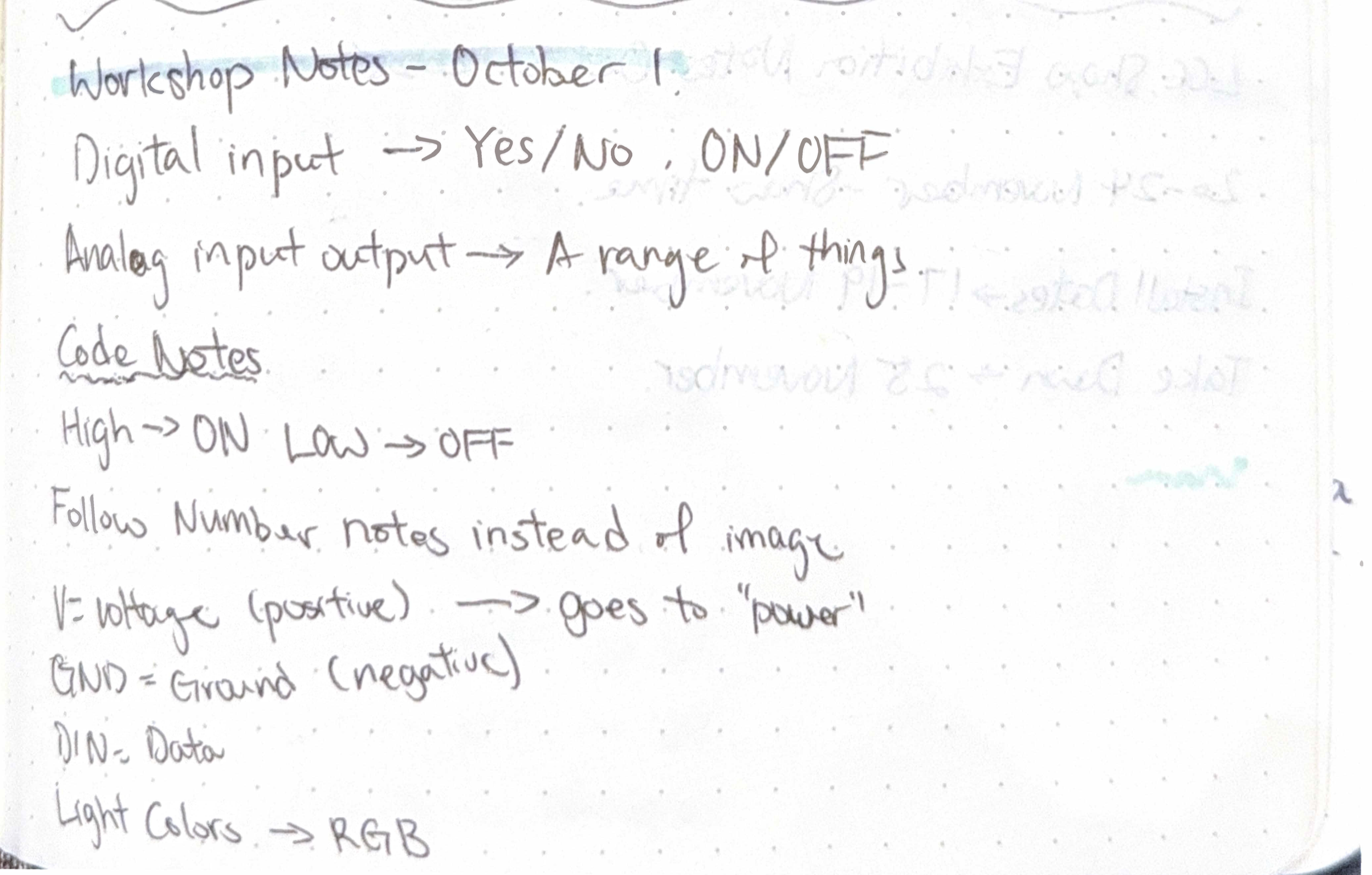
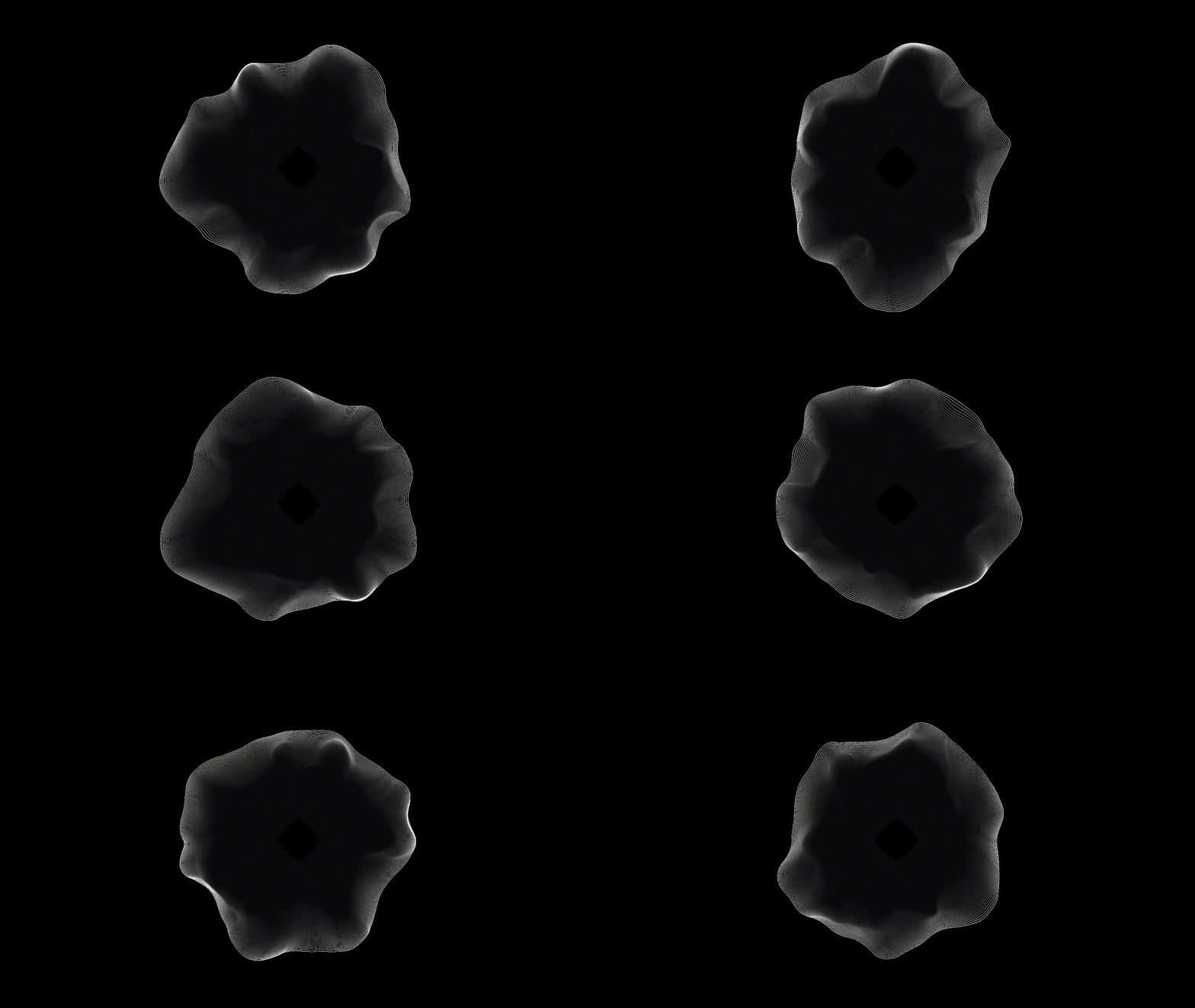
To implement our idea, we believe that Arduino can effectively bring our concept to life. Its versatility and range of sensors, actuators, and programmable components open up vast possibilities for creating responsive interactions, such as simulating how plants might “communicate” or react to their surroundings. We were also introduced to TouchDesigner and decided to use it as a tool for translating proximity data into dynamic, real-time visualizations.
Testing Arduino with different audios